
HERITAGE
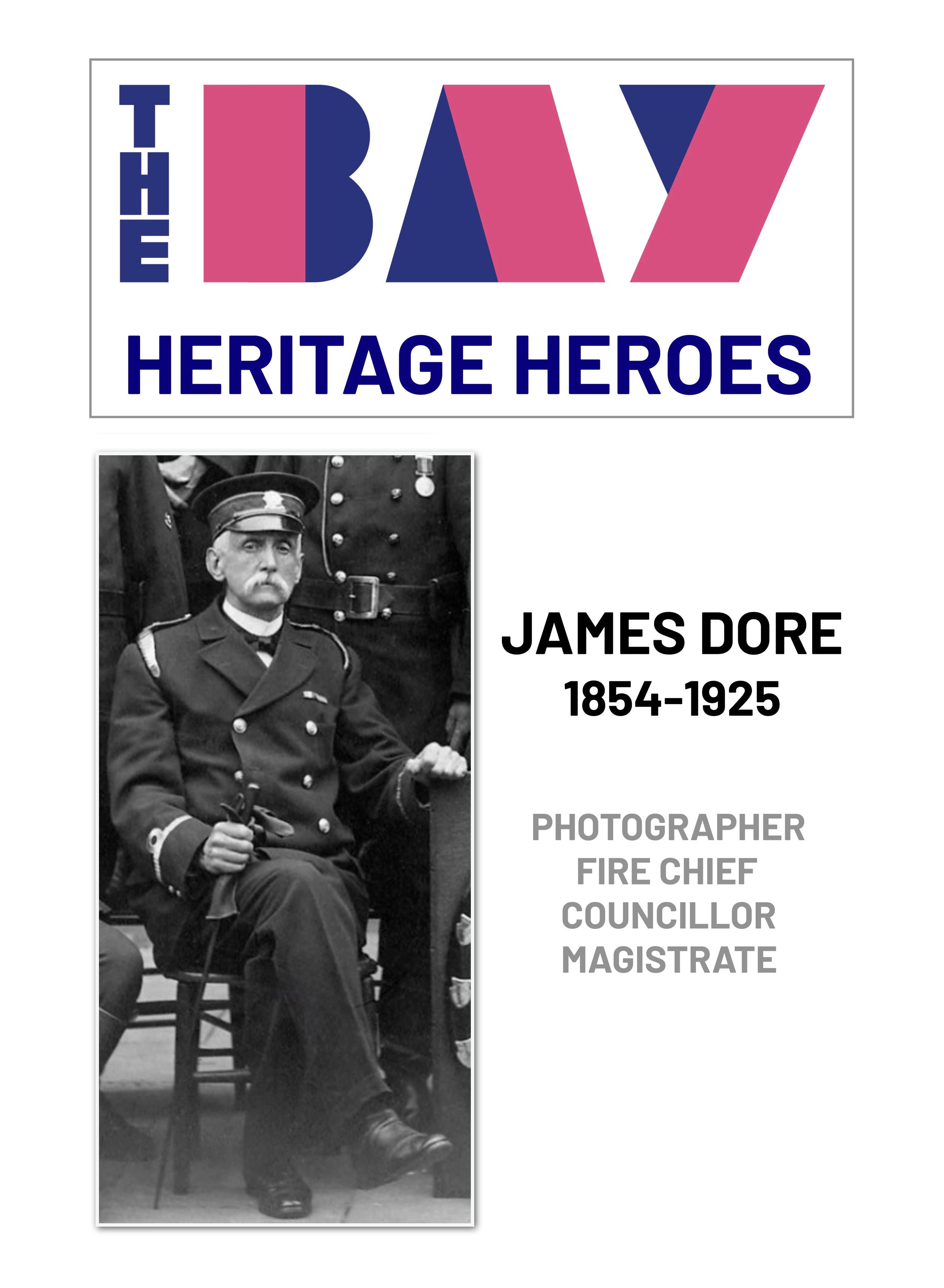
On 25th November 1925, we lost one of the great chroniclers of Island life in the decades before the First World War.
Our Bay Heritage Heroes series launches with a celebration of James Dore’s centenary and showcases his unique collection of photographs capturing the Bay area as it was in the late 1800s and early 1900s.
A selection of photos are displayed here and on the Bay Heritage Champion page on Facebook.
All Dore’s images are reproduced by kind permission of The Isle of Wight Heritage Service which holds many of his original negatives for posterity.
1 ALONG THE COAST
Working life, landscapes, weather and the Bay area’s rapid development in Victorian times are all part of Dore’s legacy and his eye for an image.
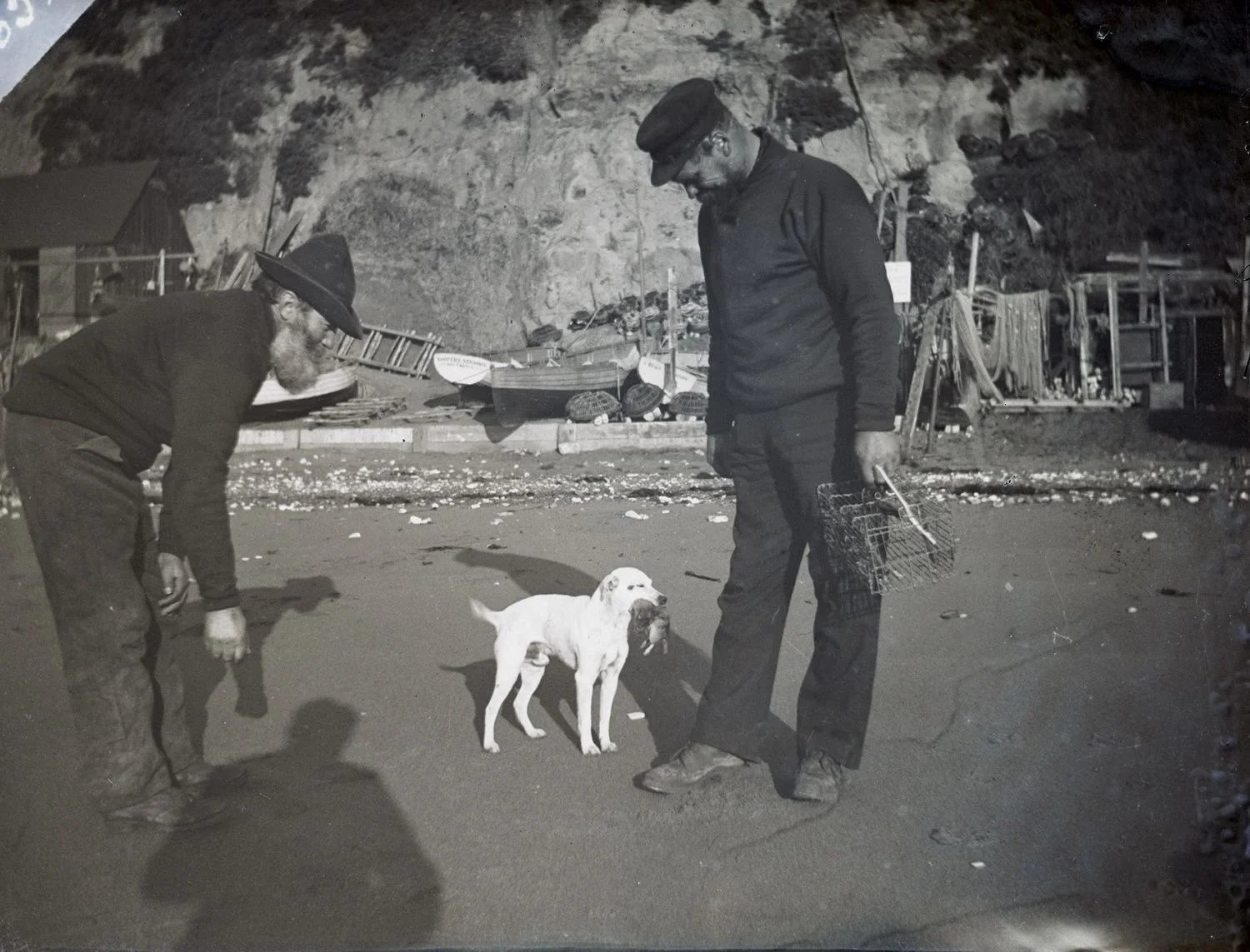
‘The Ratter', Sandown fishing village with photographer Dore's shadow part of the scene.

A damaged negative captures a dramatic high tide along the shores of the Bay.
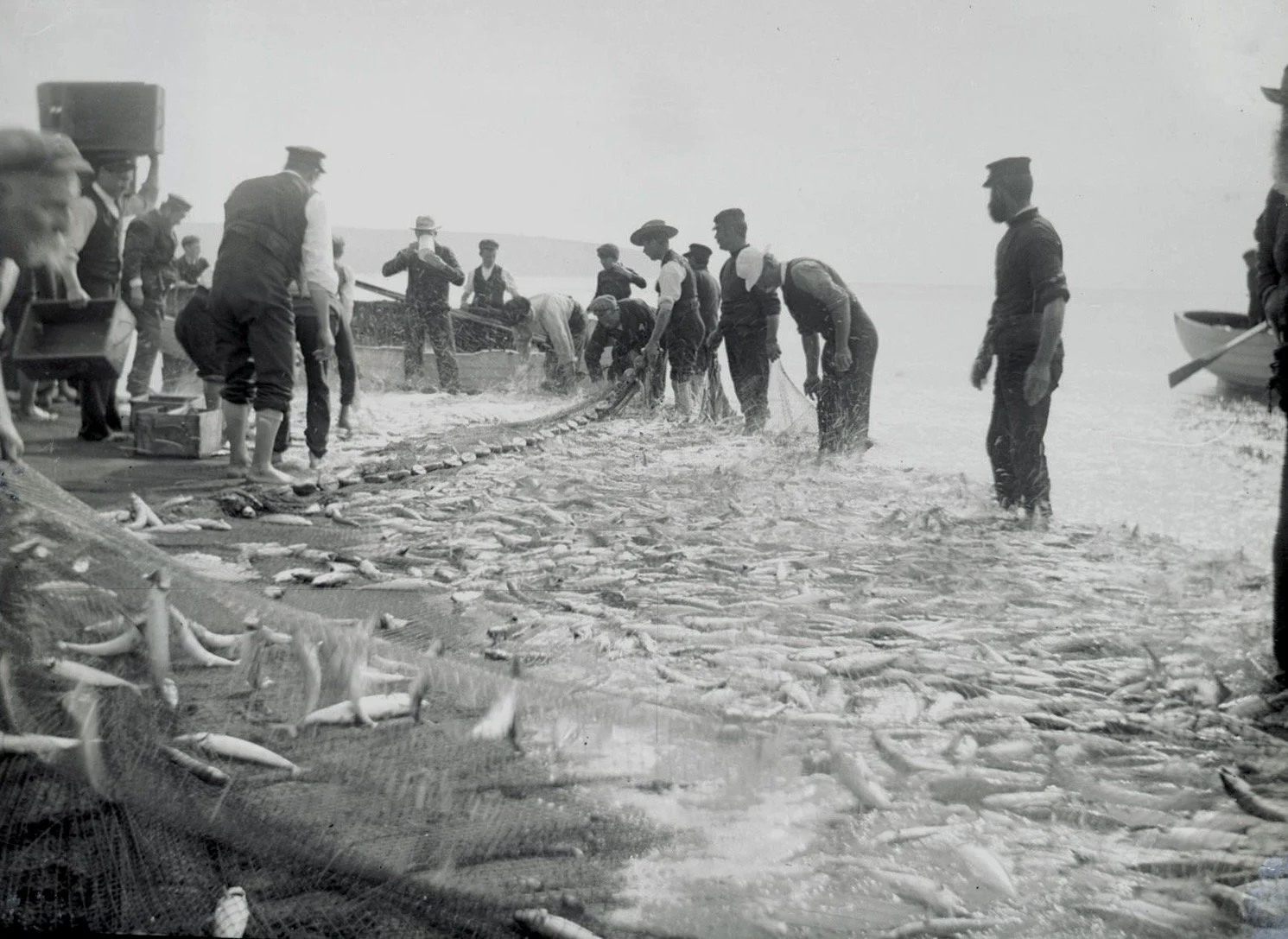
Bringing in the catch.
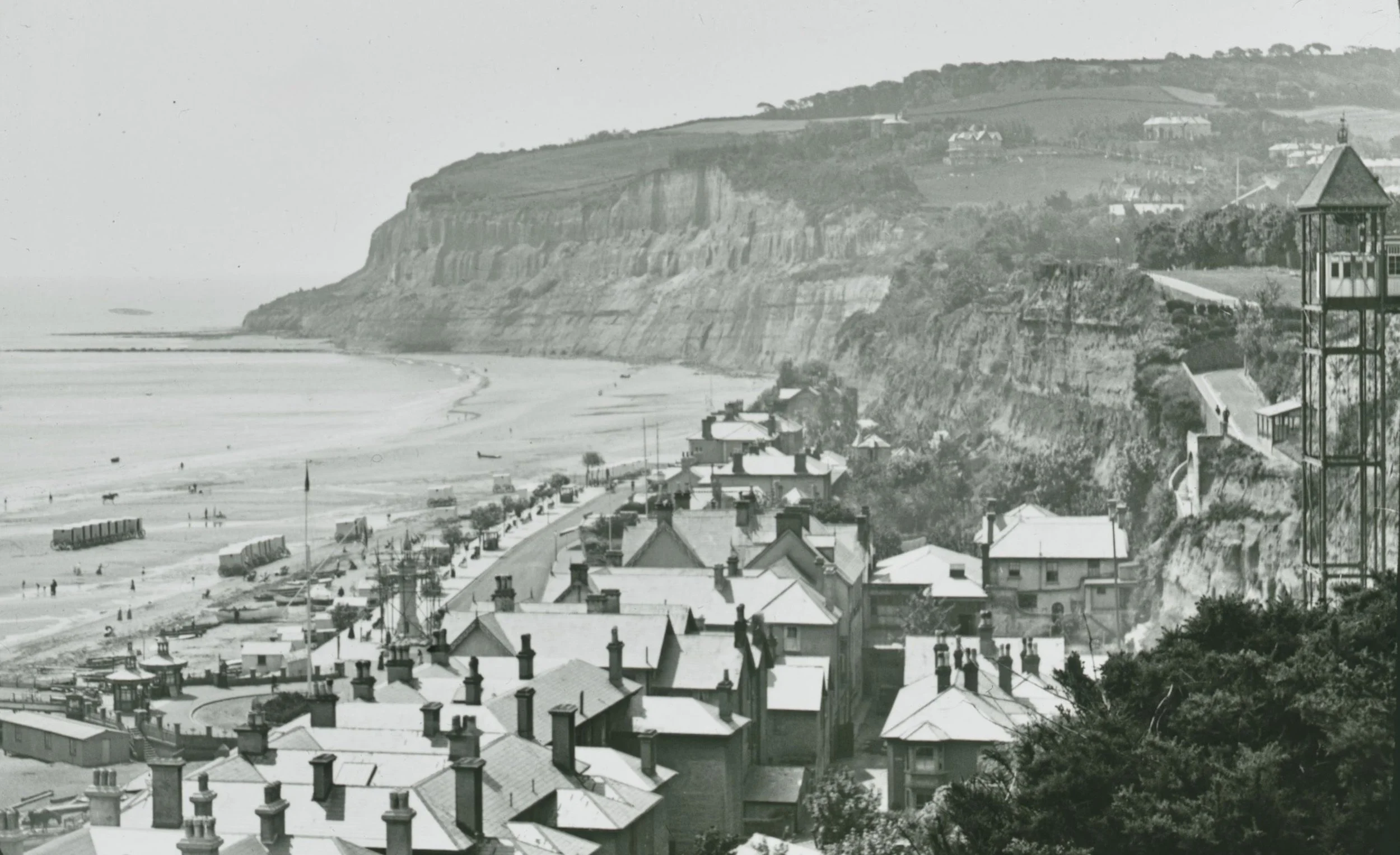
Shanklin with the original cliff lift opened in 1891 and the Royal Spa Hotel buildings below.
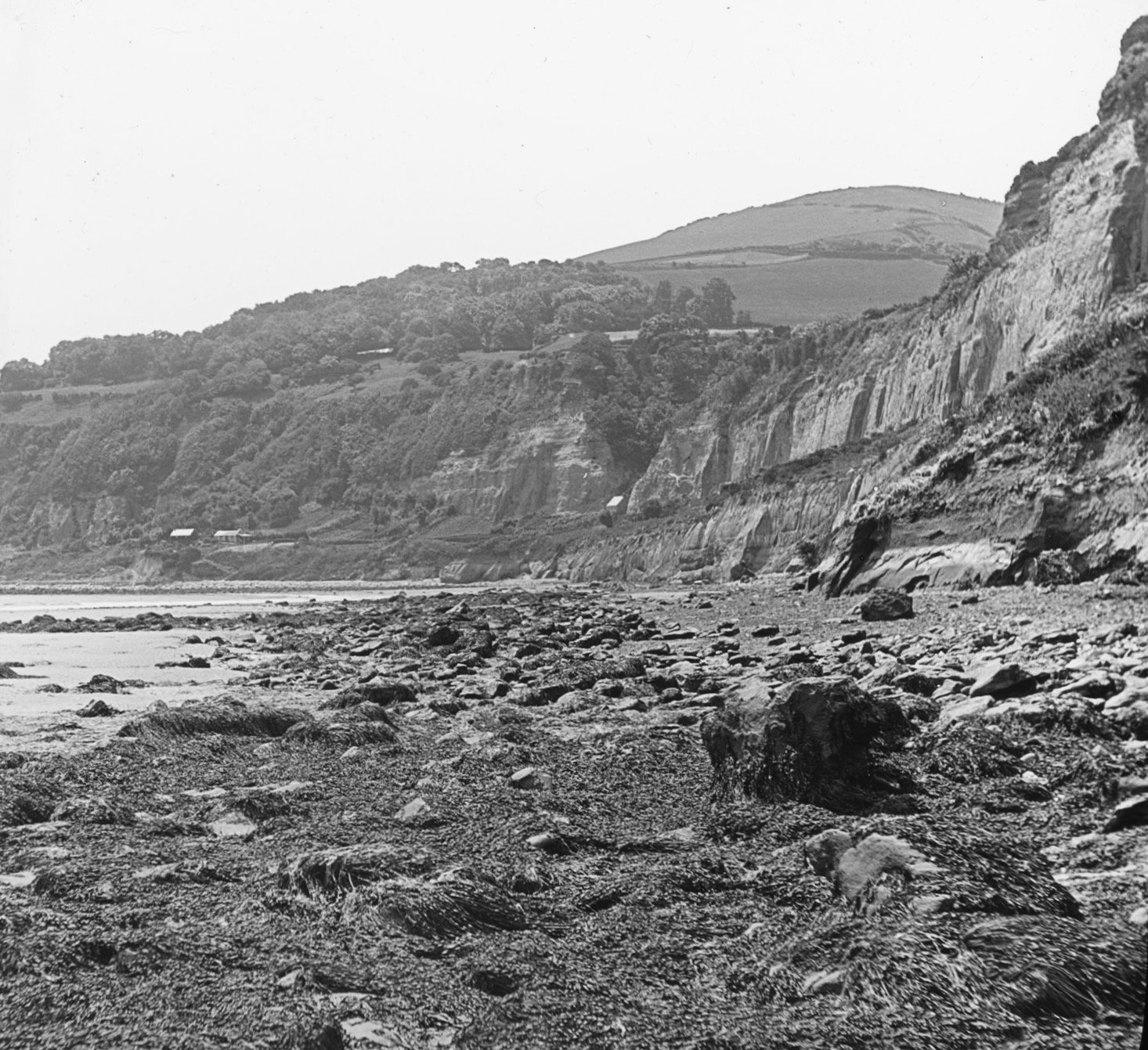
Luccombe Bay.
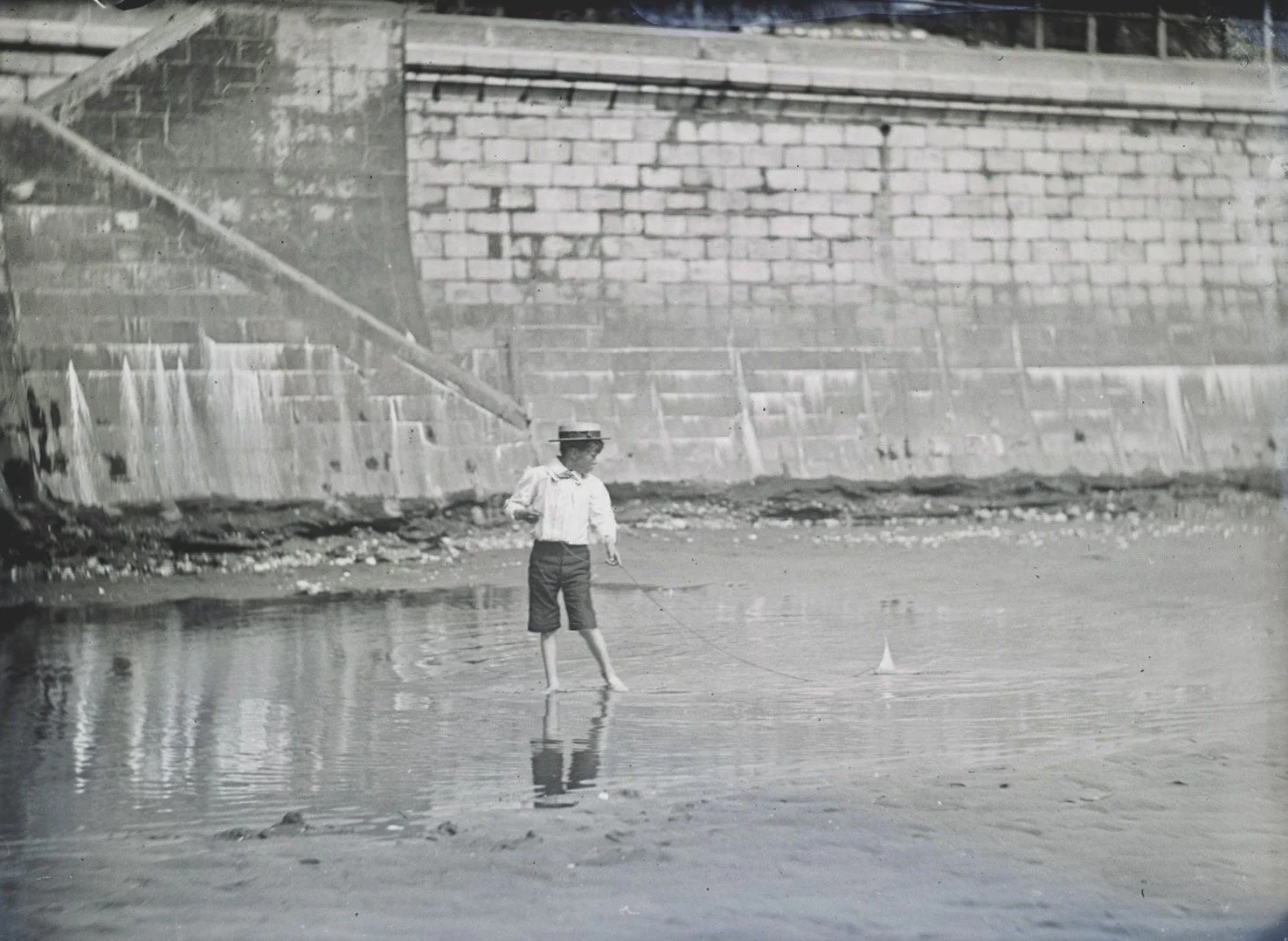
Boy with a toy boat near Sandown Pier.
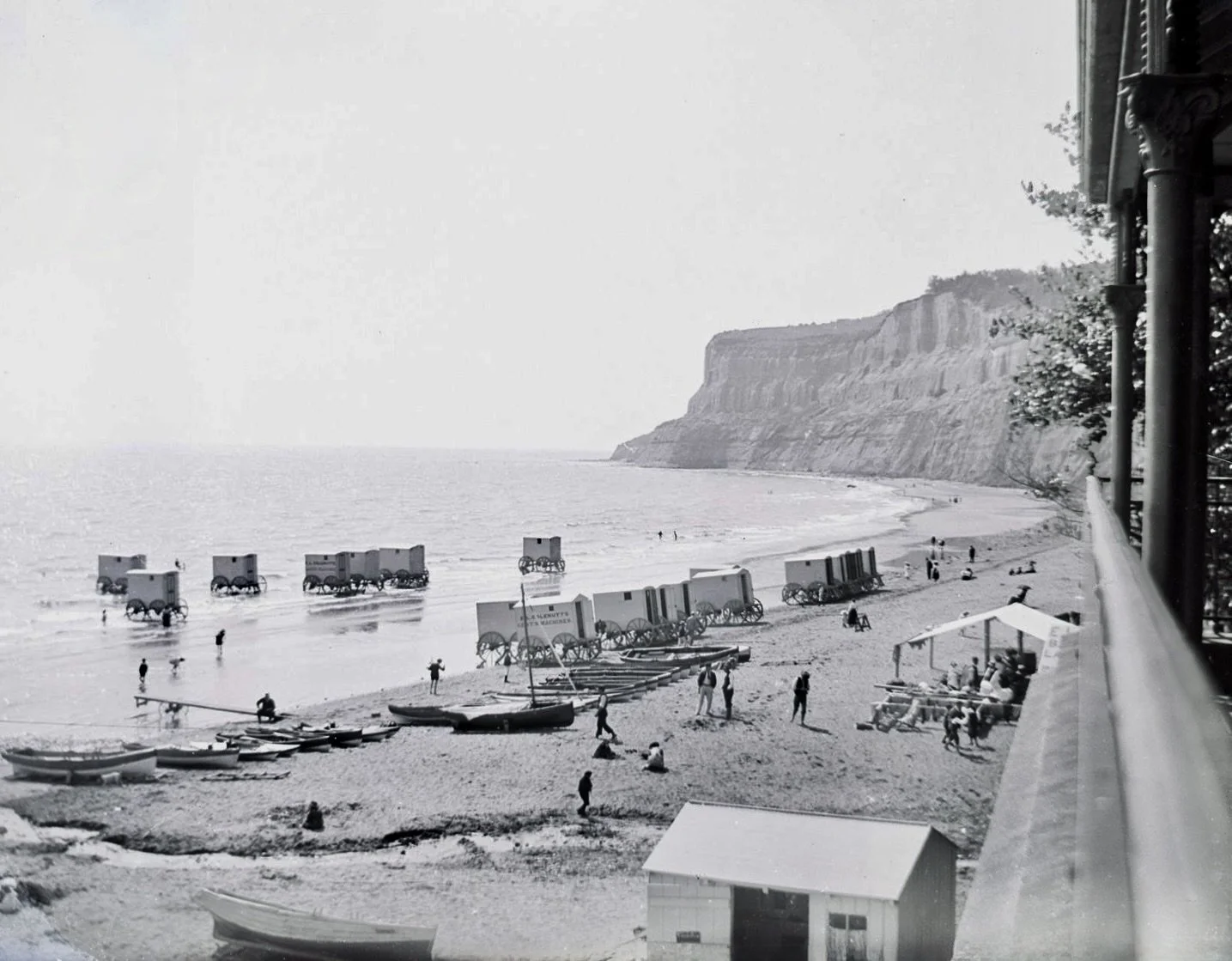
Bathing machines at Shanklin.

Lone figure in the surf on a windy day.
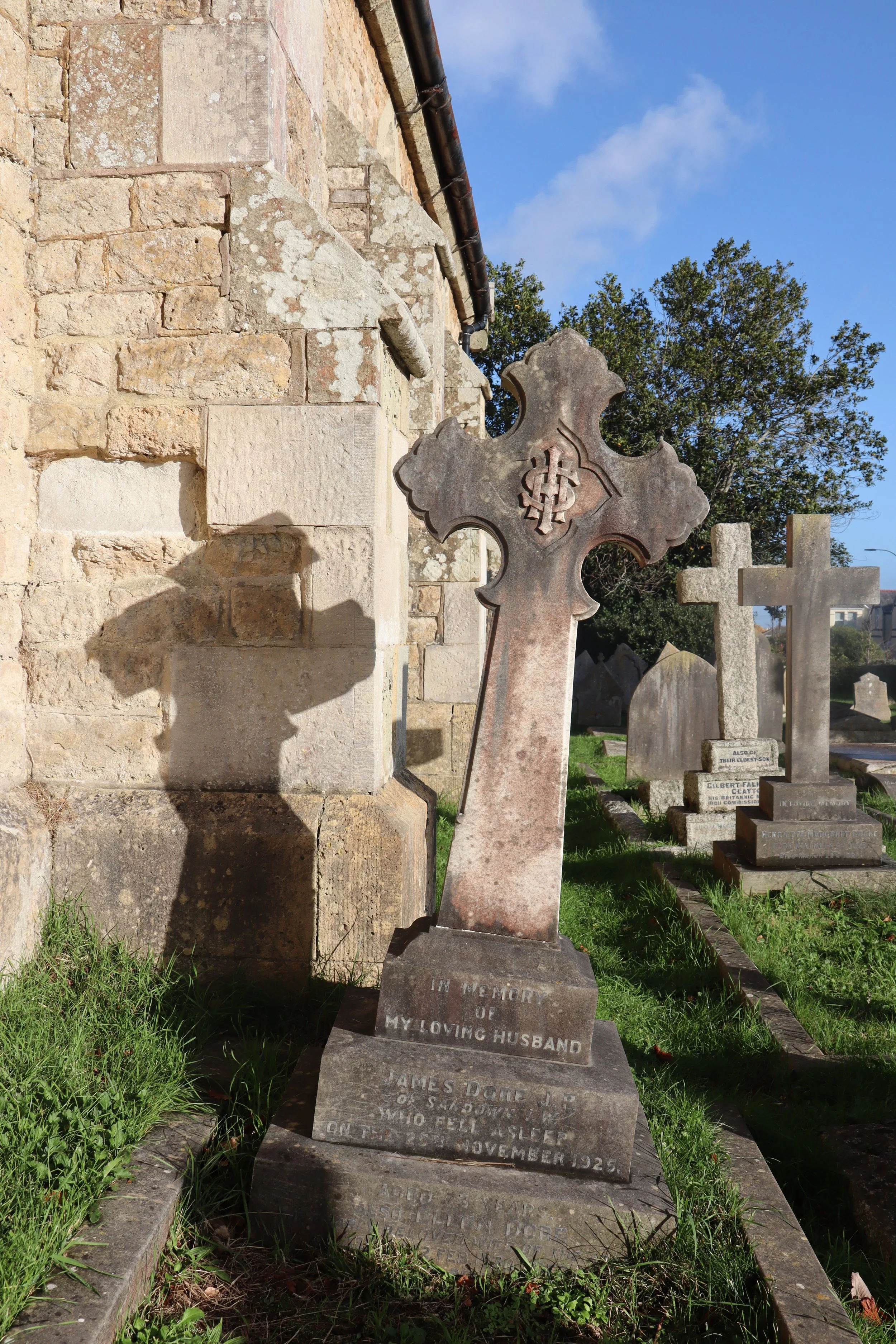
The grave of James Dore (1854-1925) at Christ Church, Sandown.
2 AROUND TOWN
Dore’s images leave us a fascinating record of life and events in the Bay area’s main towns of Sandown and Shanklin.
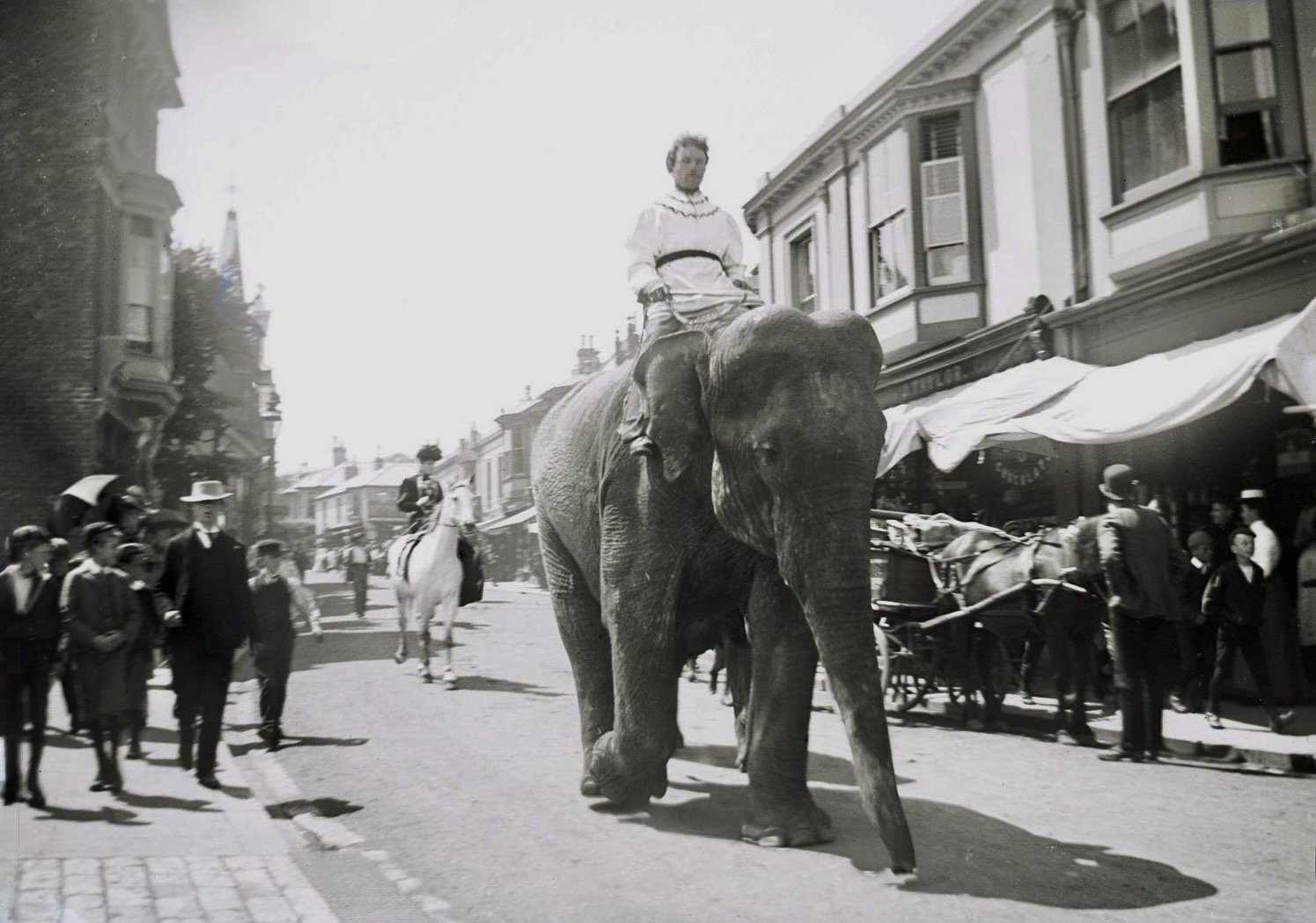
An elephant in Sandown High Street, maybe the visit of Fourpawr, Anderton and Haslam's circus to the Bay towns in September 1897.
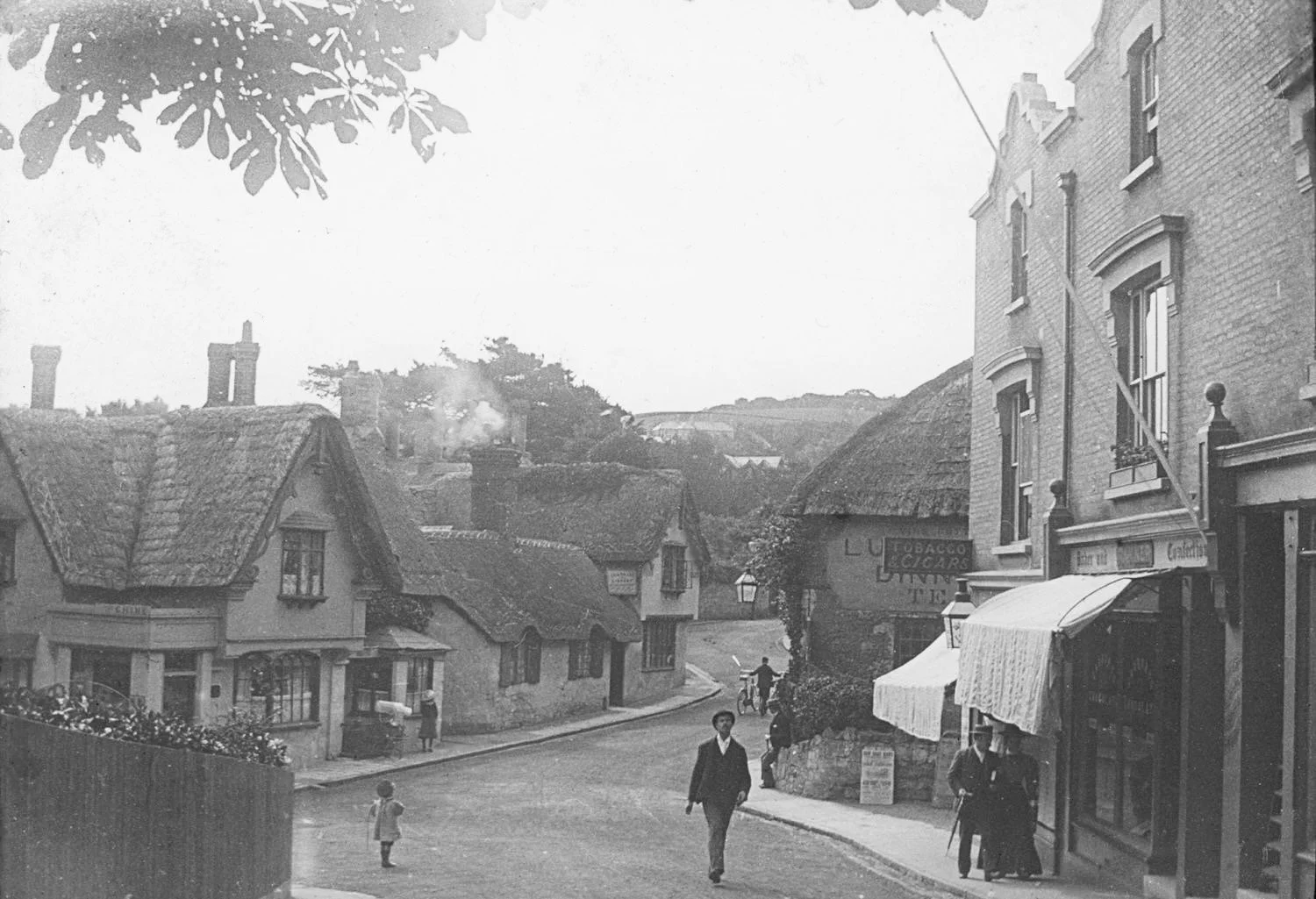
Strolling through Shanklin's Old Village.
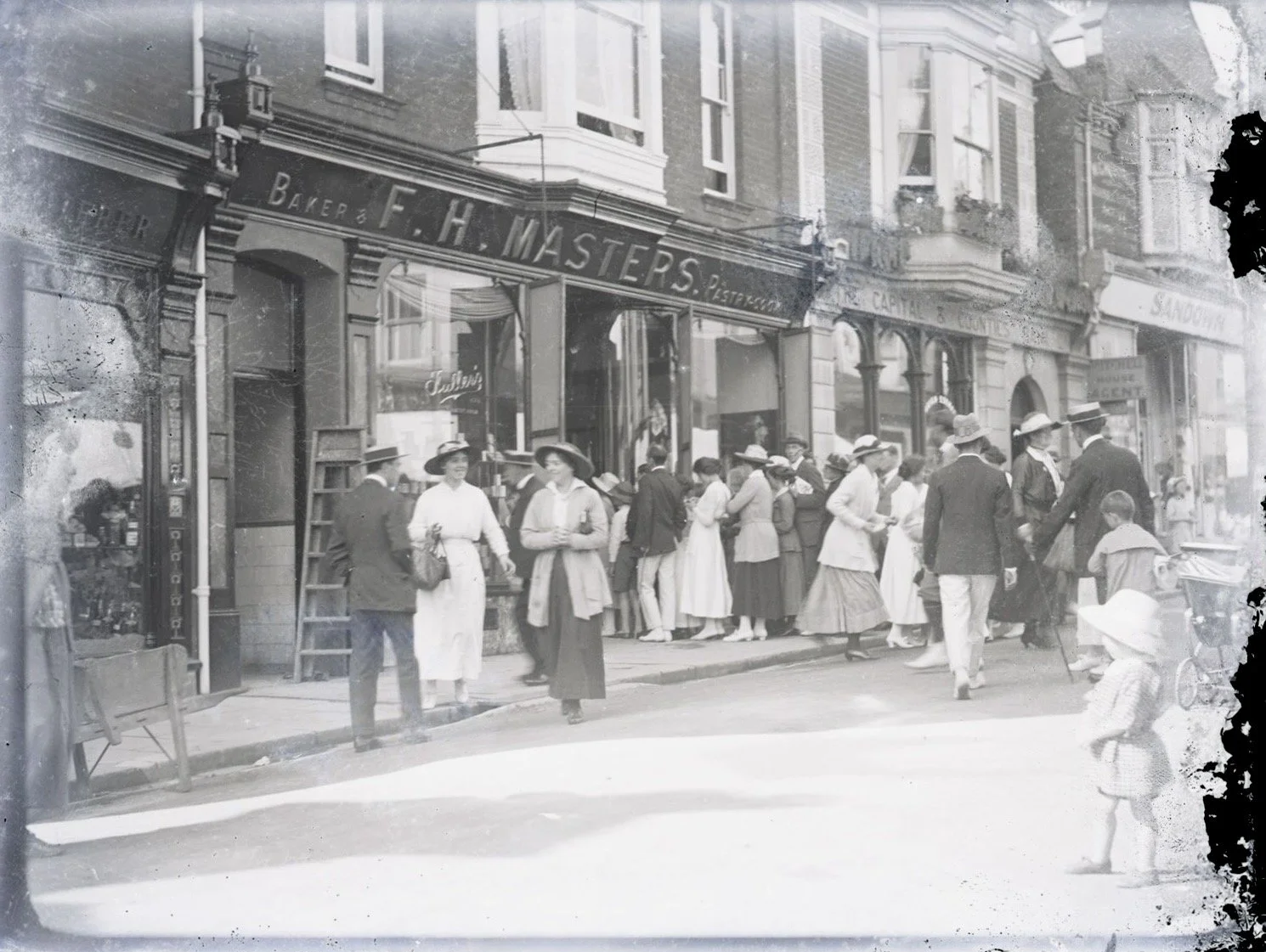
A busy morning outside F. H. Masters bakery at 16 High Street, Sandown (now Royal China restaurant).
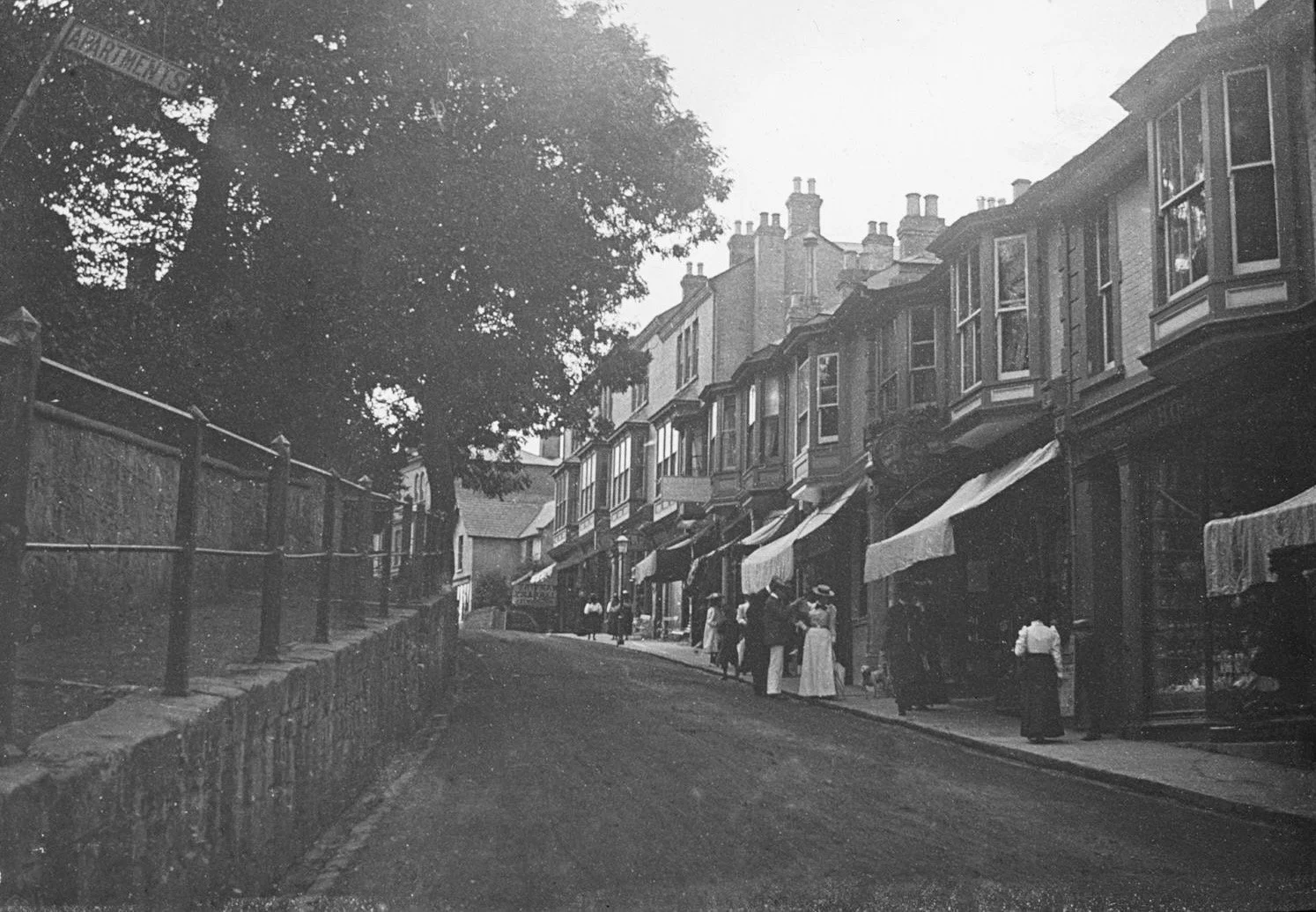
The pedestrian mall (left) heading towards the top of Shanklin High Street.
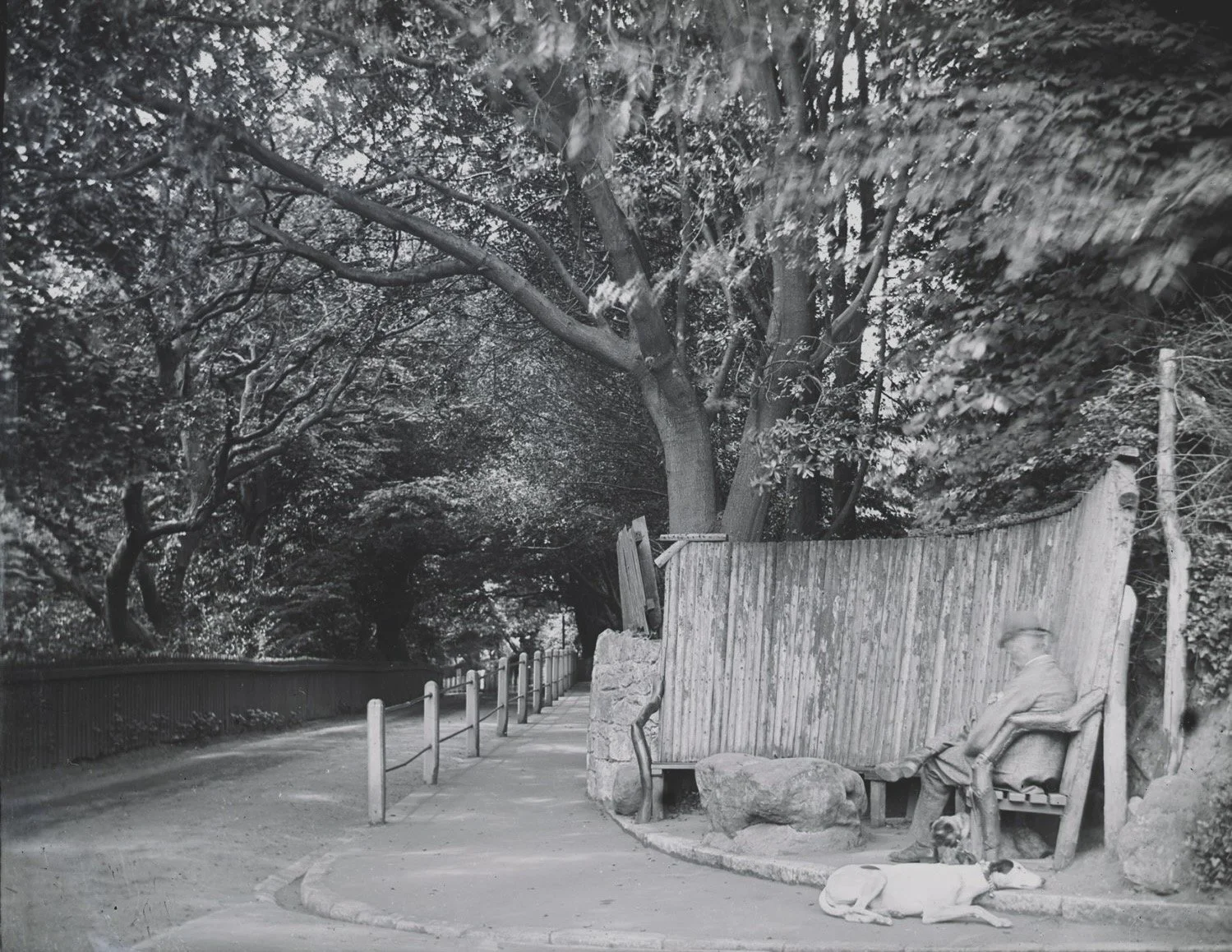
A man and his dogs resting at the corner of Chine Avenue (then Chine Road) and Alexandra Road, Shanklin.
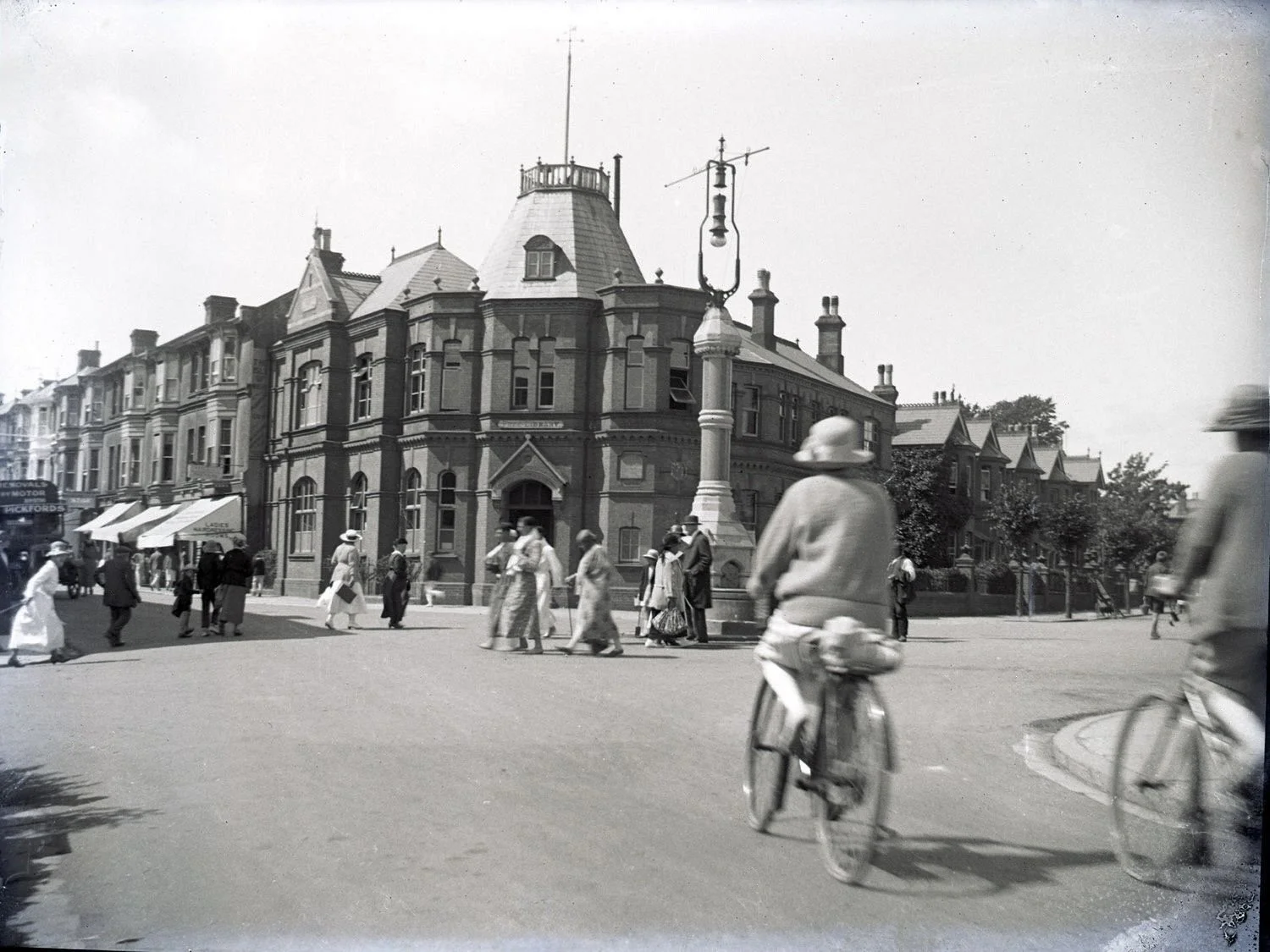
Cycling towards Sandown Library, opened in 1905, with pedestrians passing the memorial fountain unveiled in 1891 to mark Queen Victoria's Golden Jubilee four years earlier.
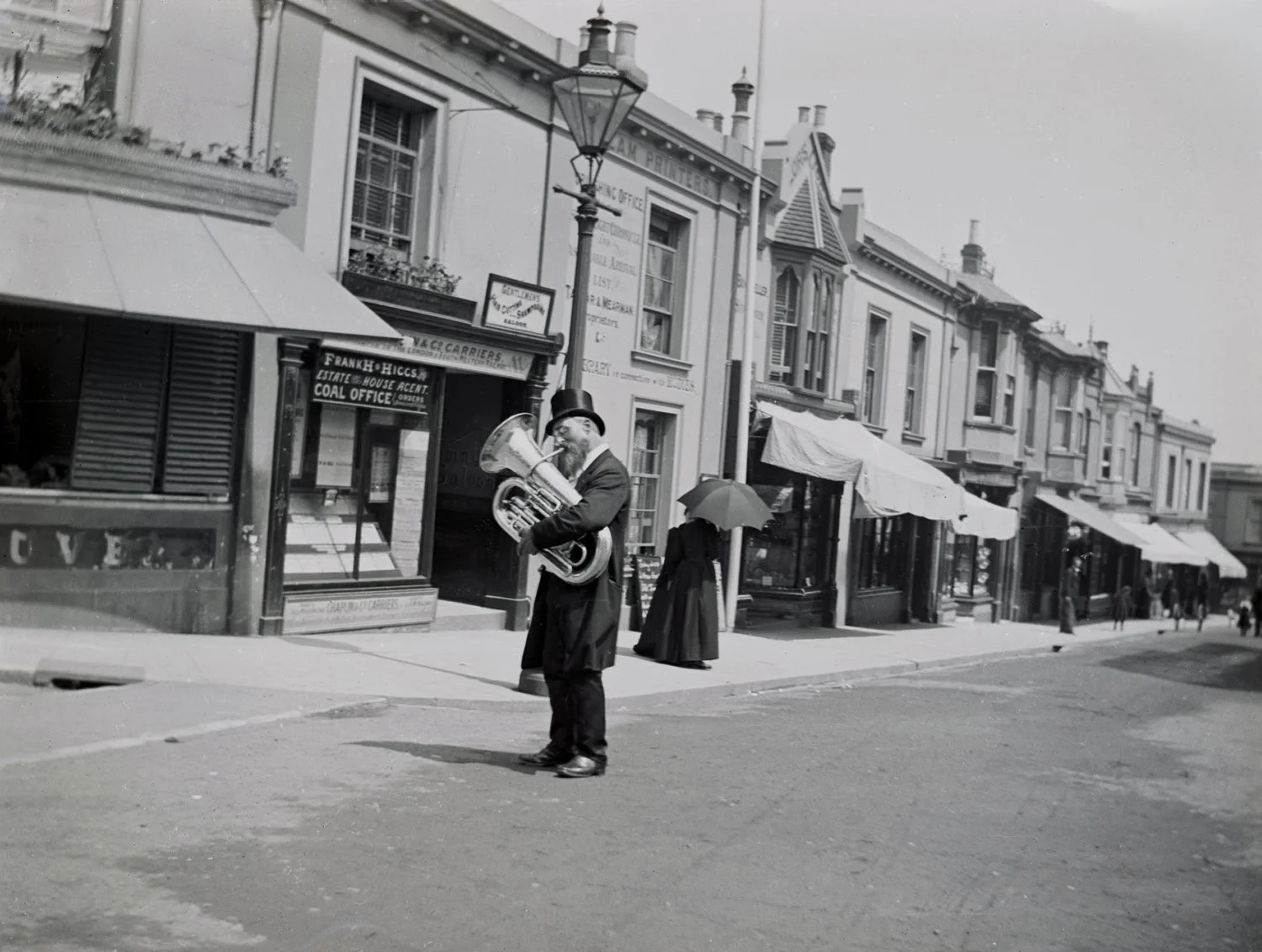
A tuba player in Sandown High Street.
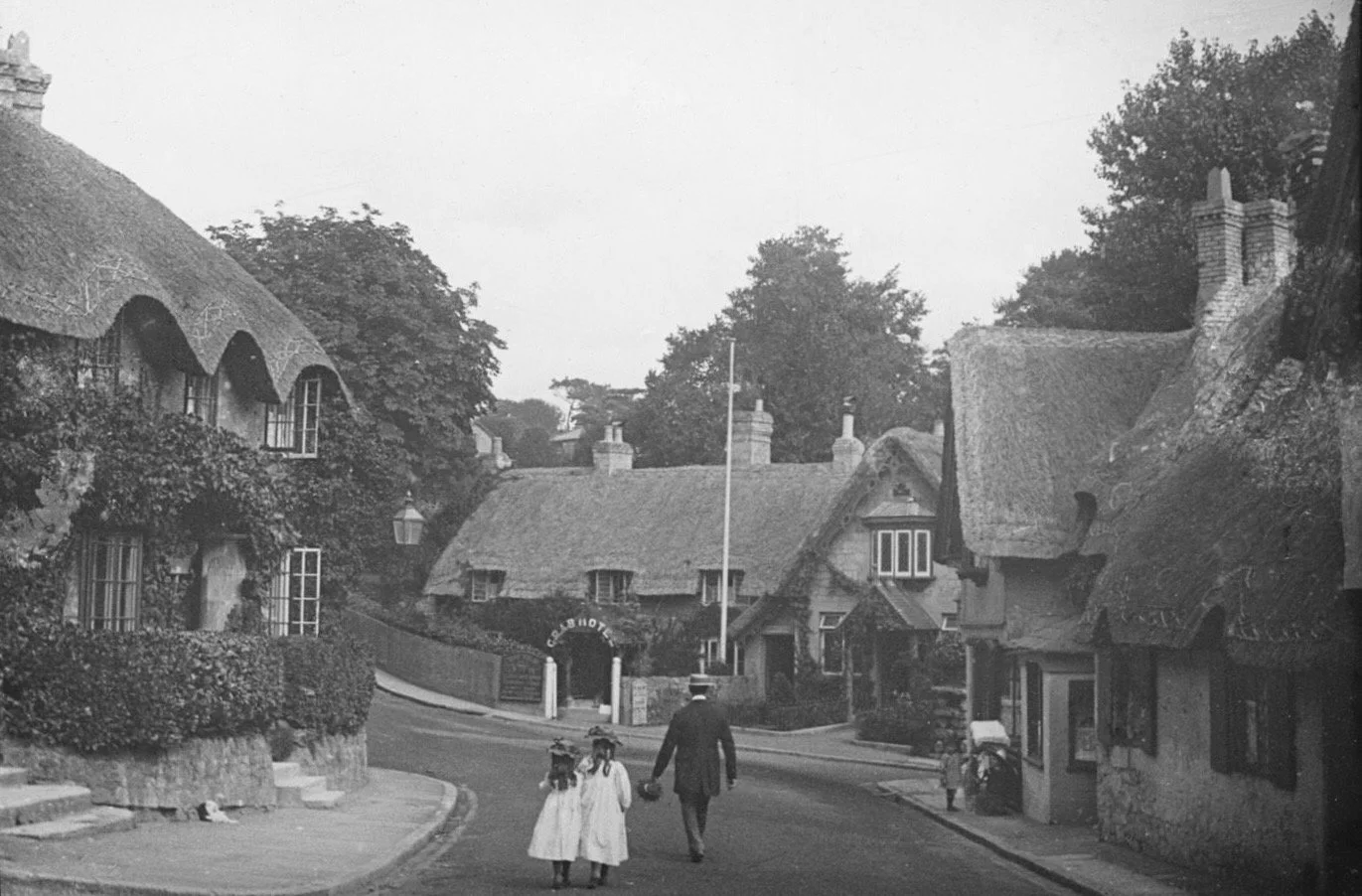
The classic view of Shanklin’s Old Village captured by Dore.
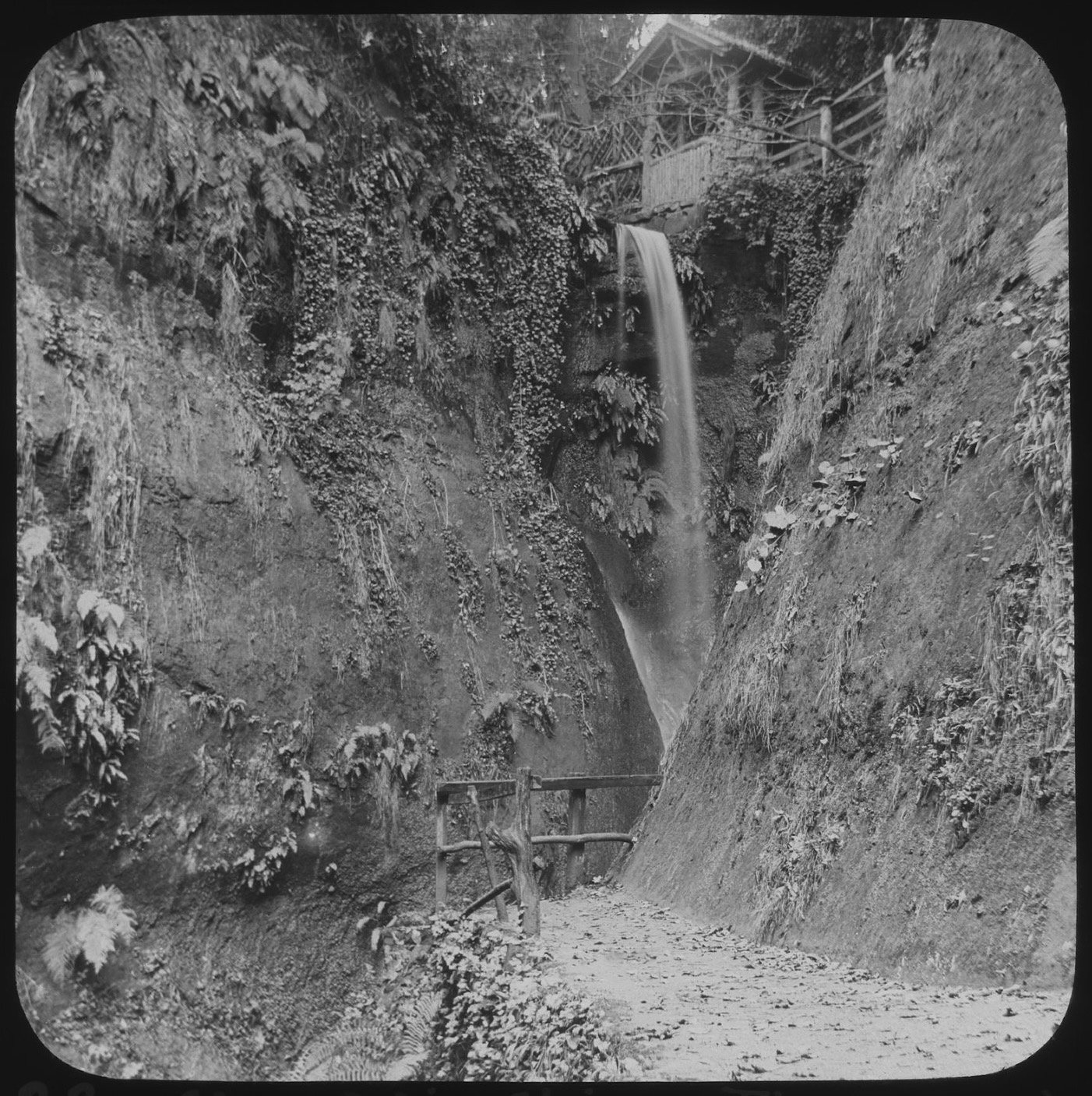
Dore's late Victorian view of Shanklin Chine, one of the Bay area's earliest visitor attractions.
3 OUT OF TOWN
Dore’s eye for capturing memorable images of people and places is just as much in evidence in scenes from Luccombe to Yaverland via Lake and Alverstone.
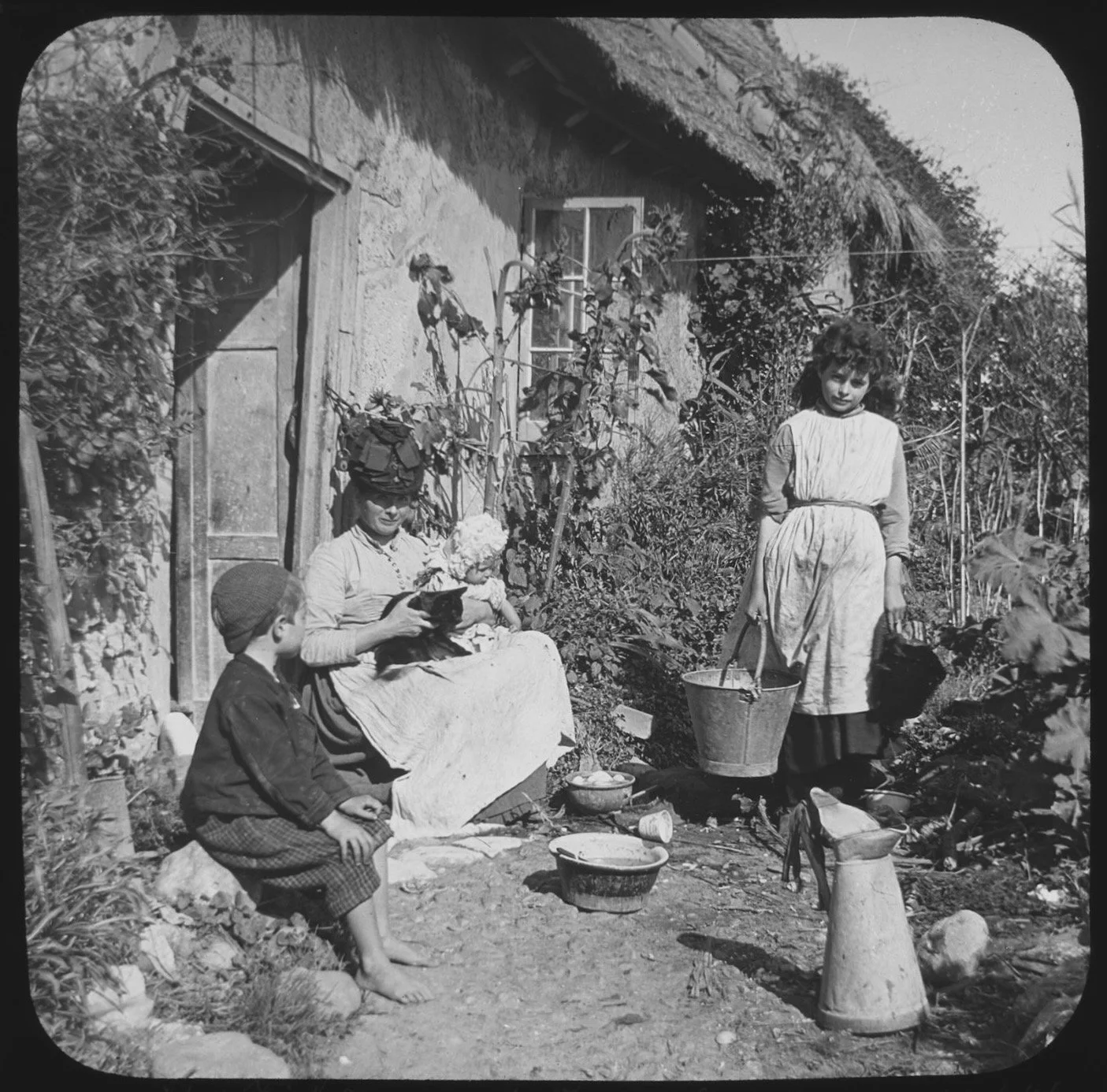
A Luccombe fishing family outside their cottage long since claimed by the sea.

A Yaverland ploughing scene at a recognisable location, where the route to Bembridge in the background has its junction with the road and cattle grid leading to Culver Down today.
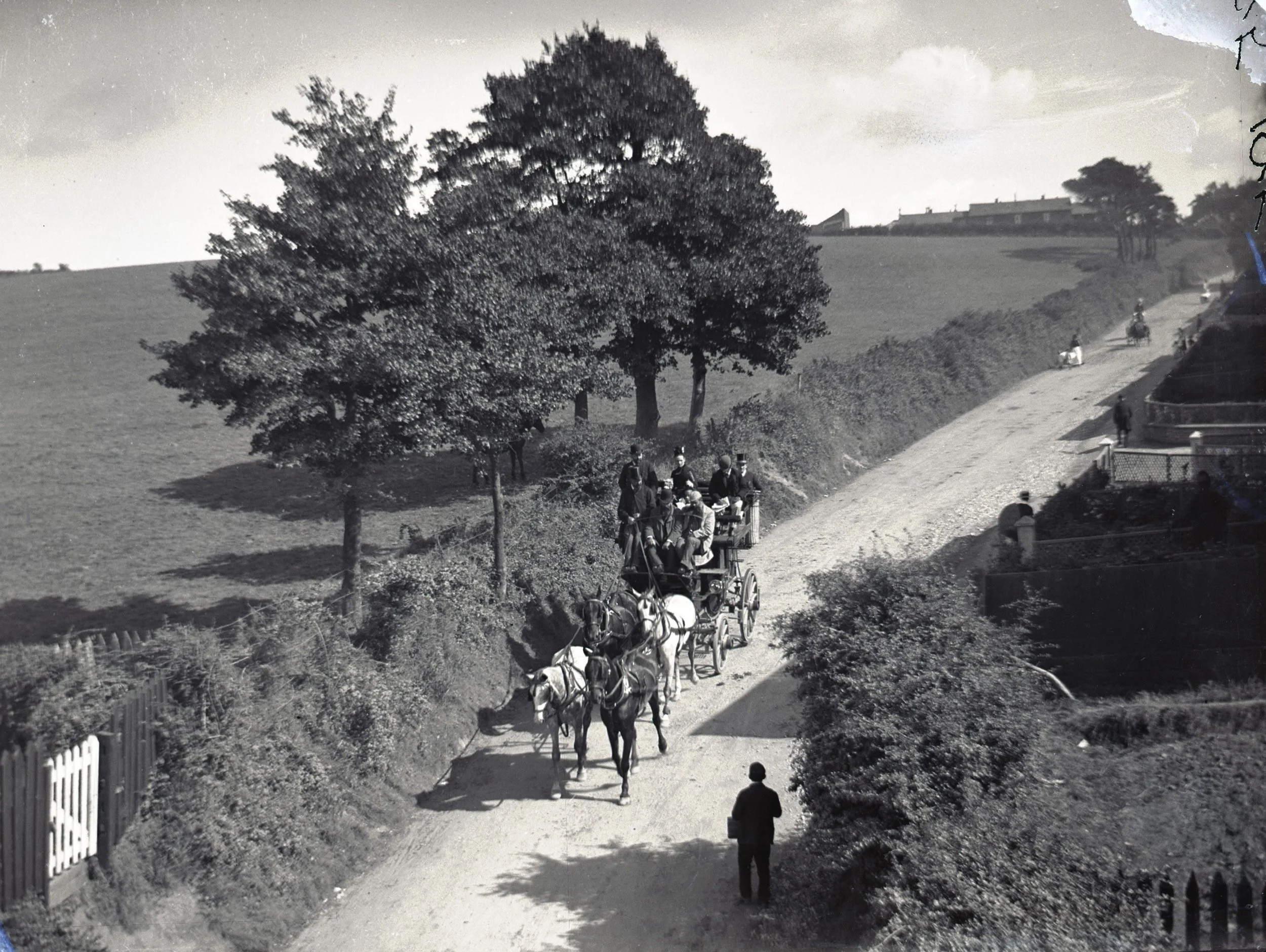
A horse-drawn carriage coming down Lake Hill with Sandown Barracks visible at the top. Dore took the photograph from the bridge or embankment carrying the railway between Sandown and Shanklin.
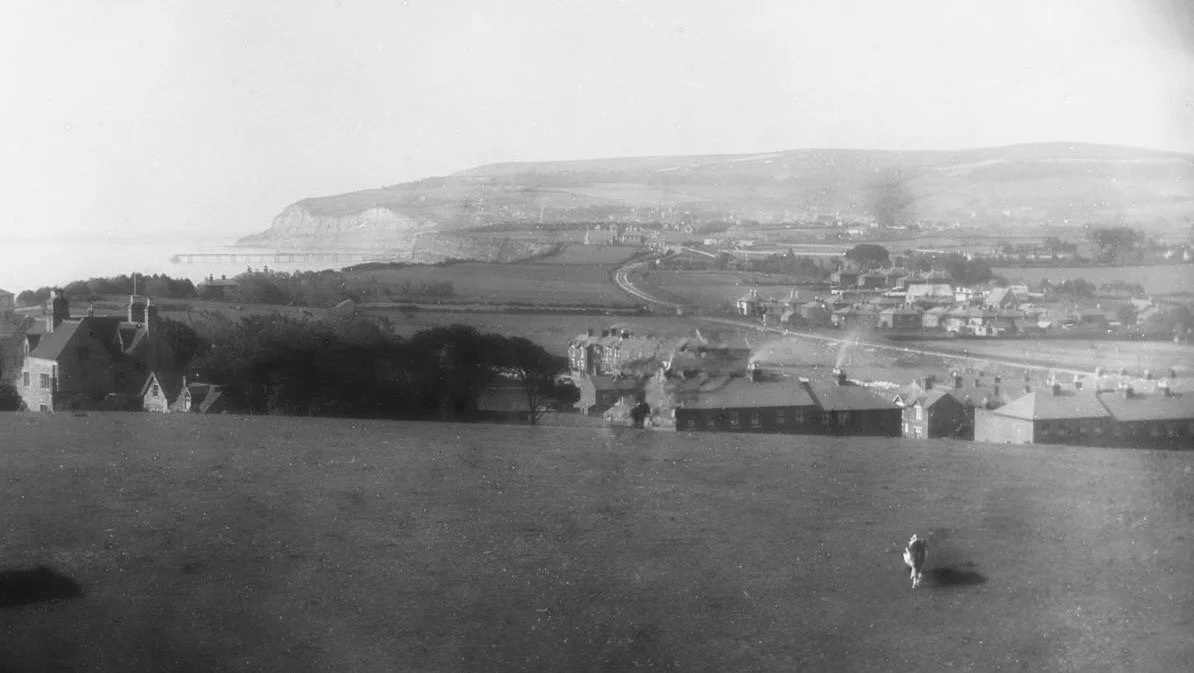
From a severely damaged negative, a view across Lake Hill towards Shanklin, with the railway making its way through undeveloped fields. The early version of Shanklin Pier and Winchester House Home of Rest visible just to the left of Skew Bridge mean the photograph can be dated to 1893 or later.
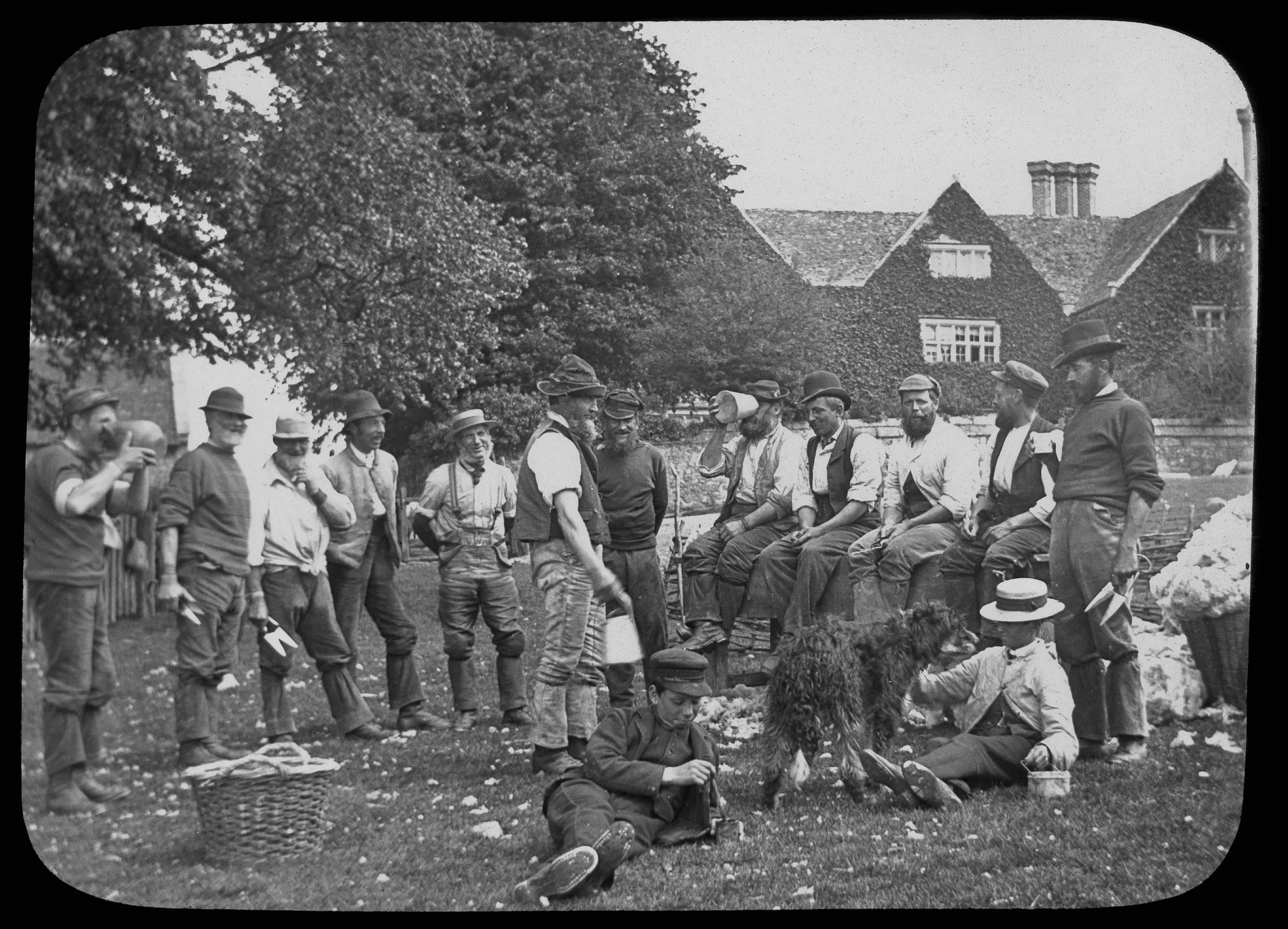
Sheepshearers at Yaverland Manor.
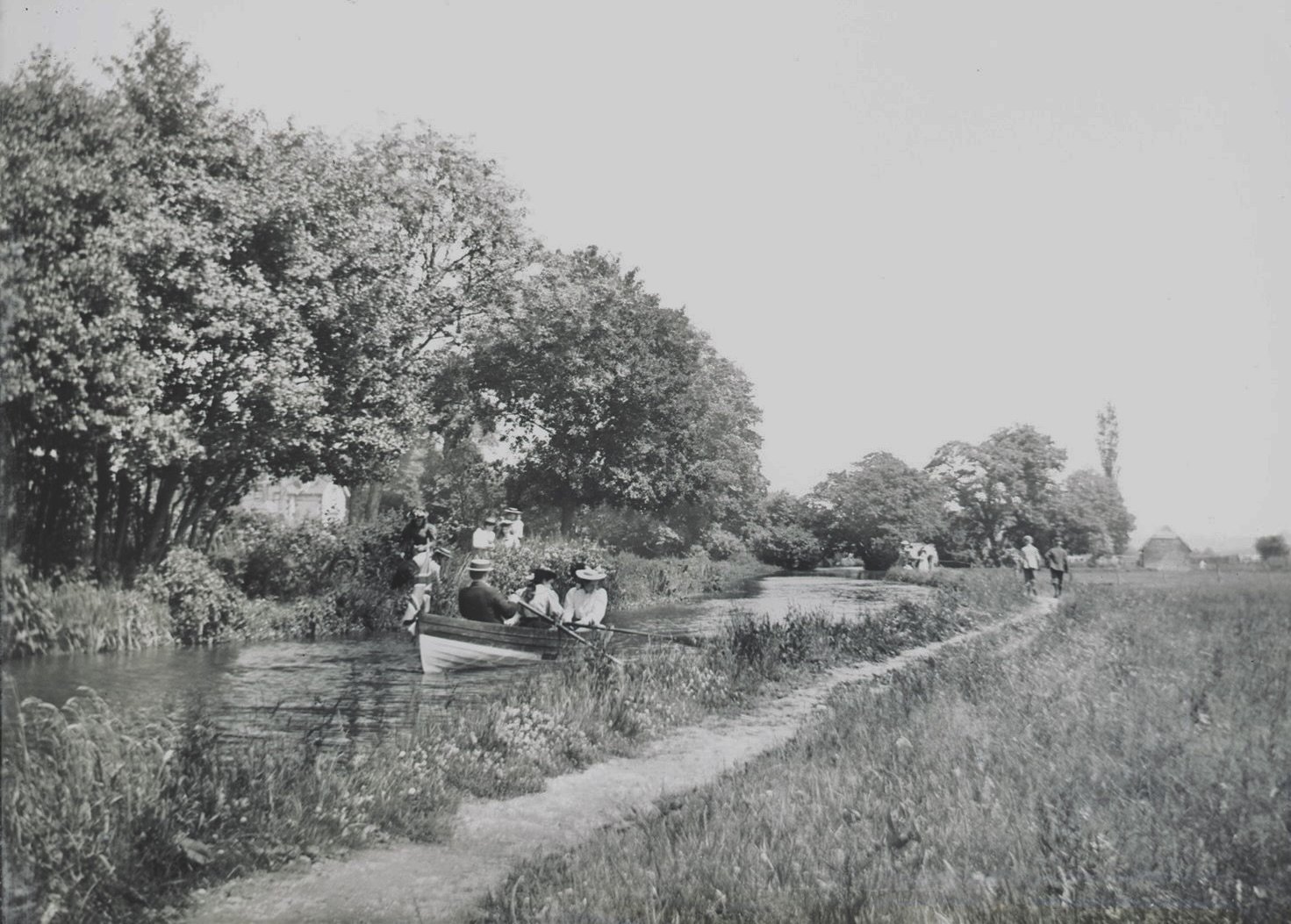
Boating on the Eastern Yar at Alverstone.
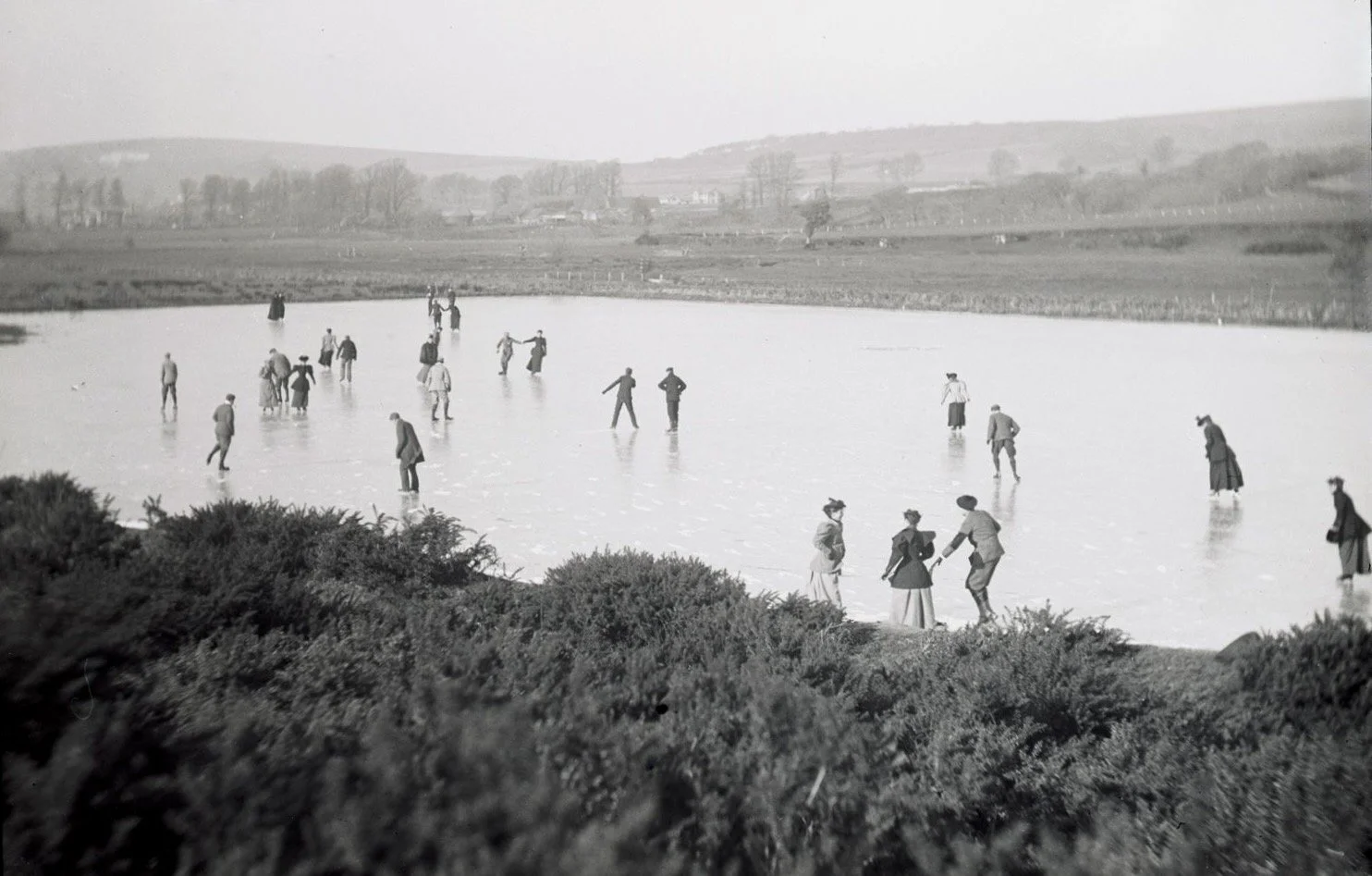
Skating on frozen water near Sandown.
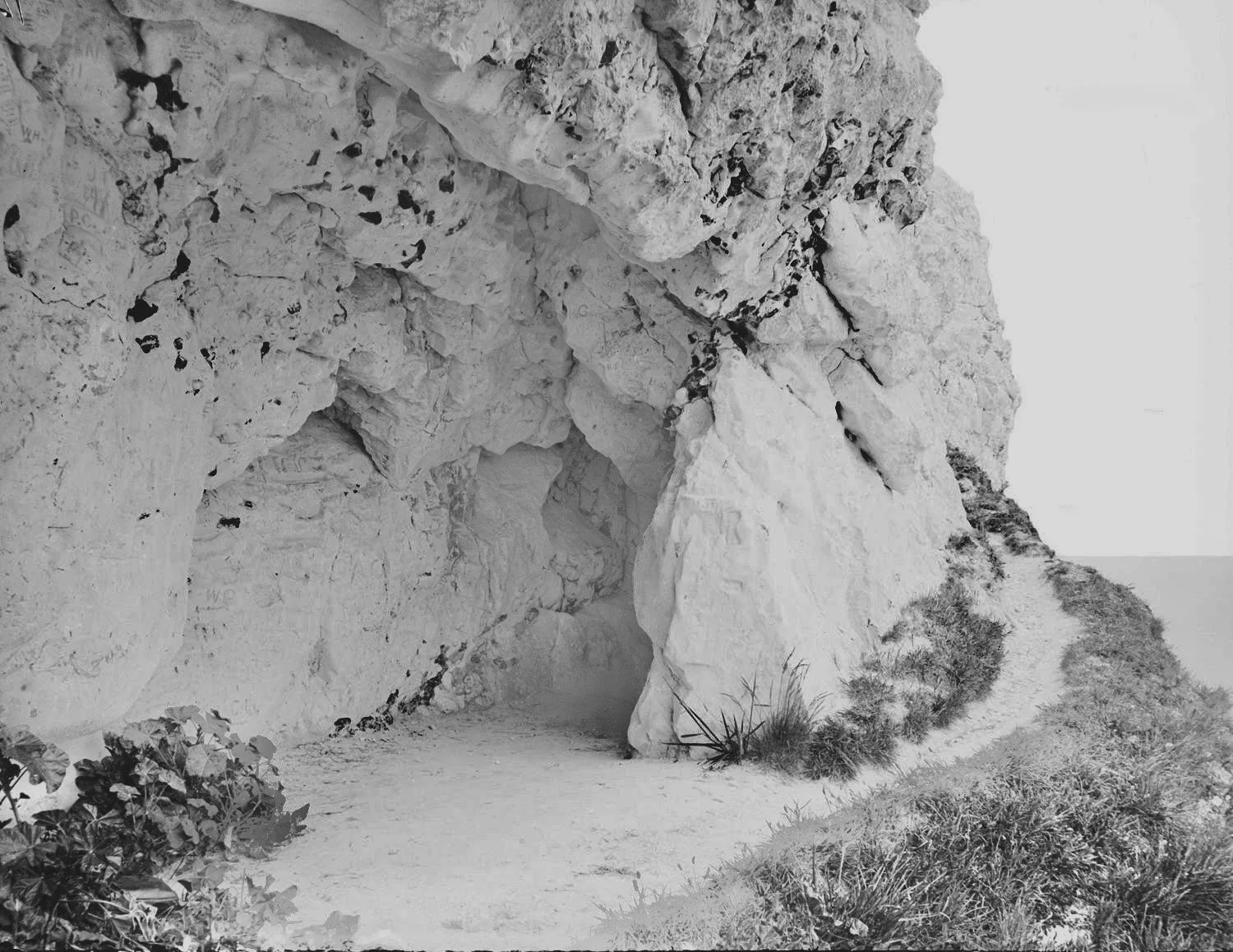
Dore's view of the Hermit's Hole, a small cave in the face of Culver Cliff, accessible at the time by a path from above. Closer examination reveals inscriptions carved into the wall by visitors.
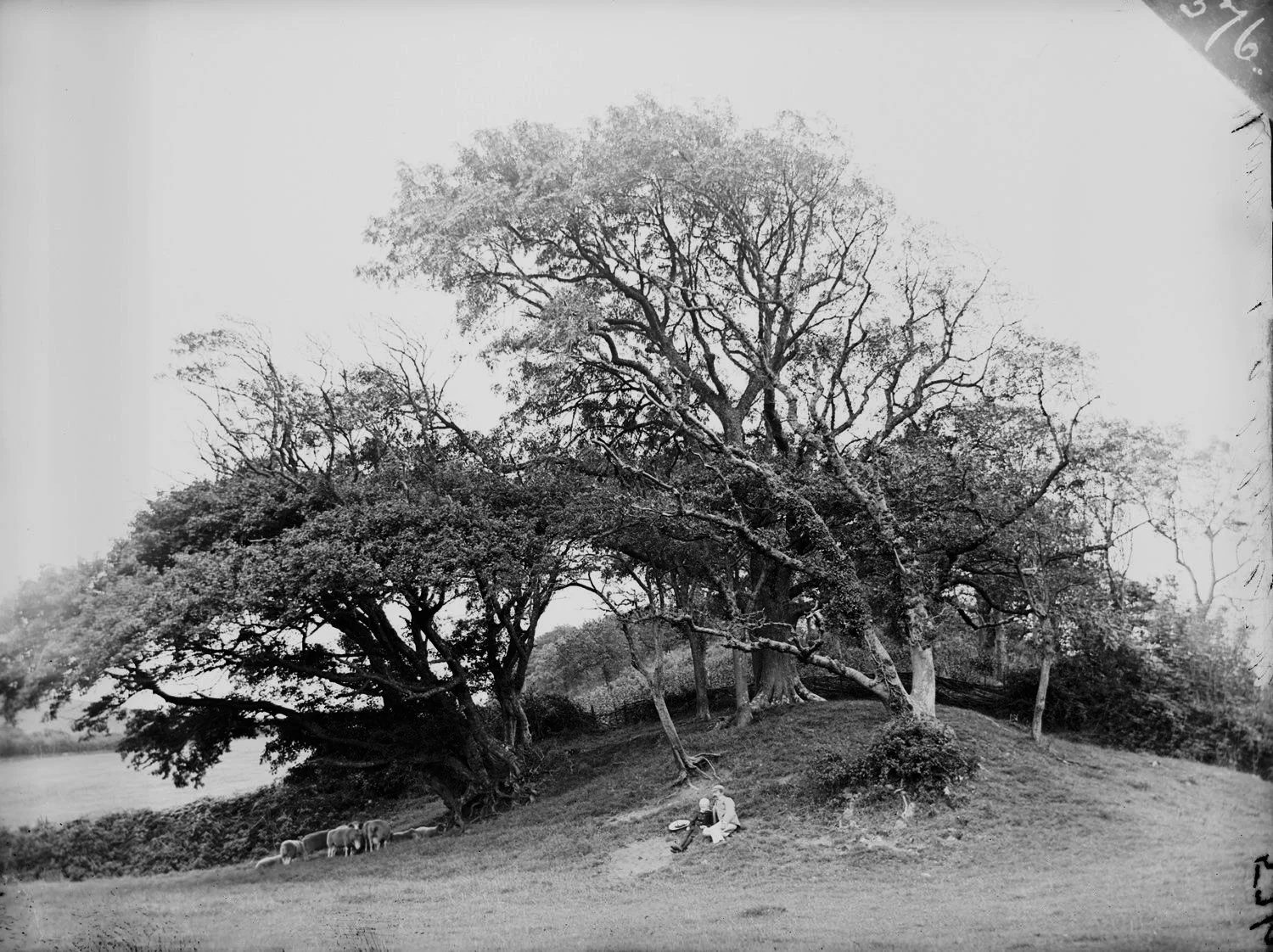
A rural scene with sheep sheltering under a copse.
4 SEASIDE
James Dore’s photography recorded the Bay towns at a time when they were becoming established Victorian coastal resorts. Dore wasn’t only behind the camera…as an influential Sandown councillor, he oversaw developments like the construction of the town’s Esplanade in the 1890s.
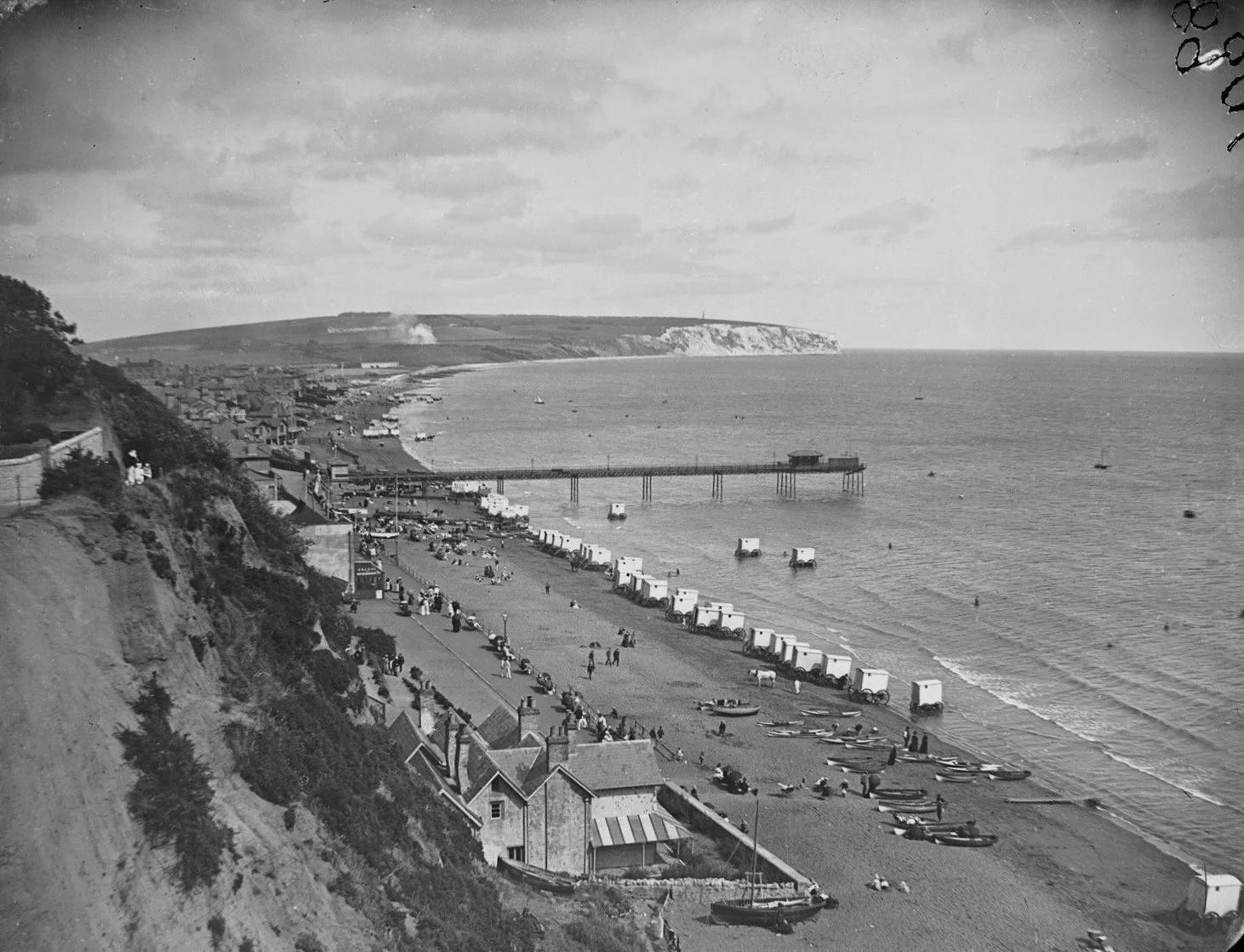
Sandown’s original, shorter pier had opened in 1878. This image shows the town’s seafront around a decade later, with the narrow Esplanade in the foreground soon to be widened and extended into the distance under Dore’s supervision.
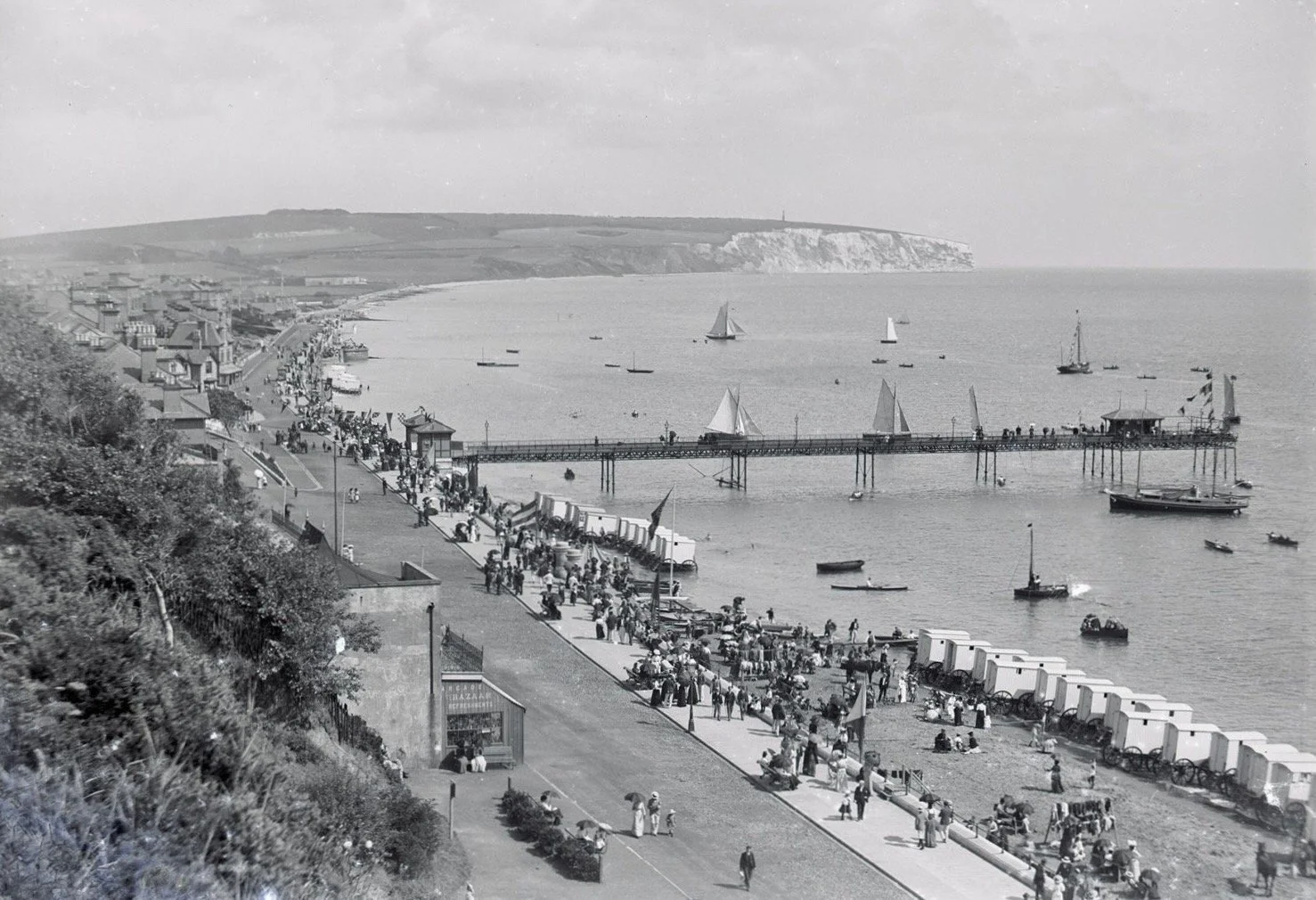
Sandown’s new Esplanade in the early 1890s, before the pier was extended to its present length in 1895.
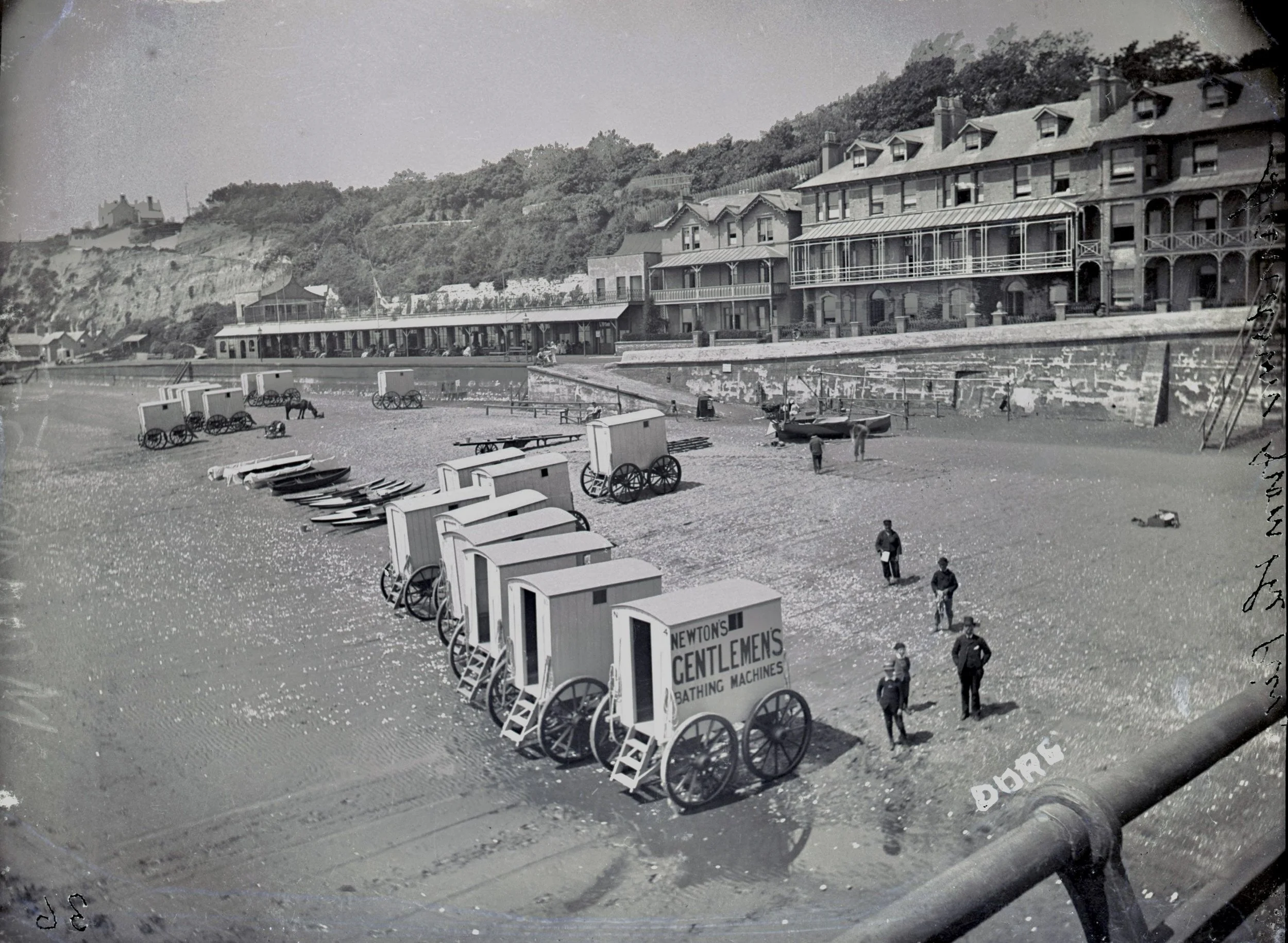
A rare negative with Dore's name marked on it. A description of the scene is scratched on the right edge, 'Sandown from the Pier'. This is a view of the western Esplanade before its renovation and widening in the early 1890s.
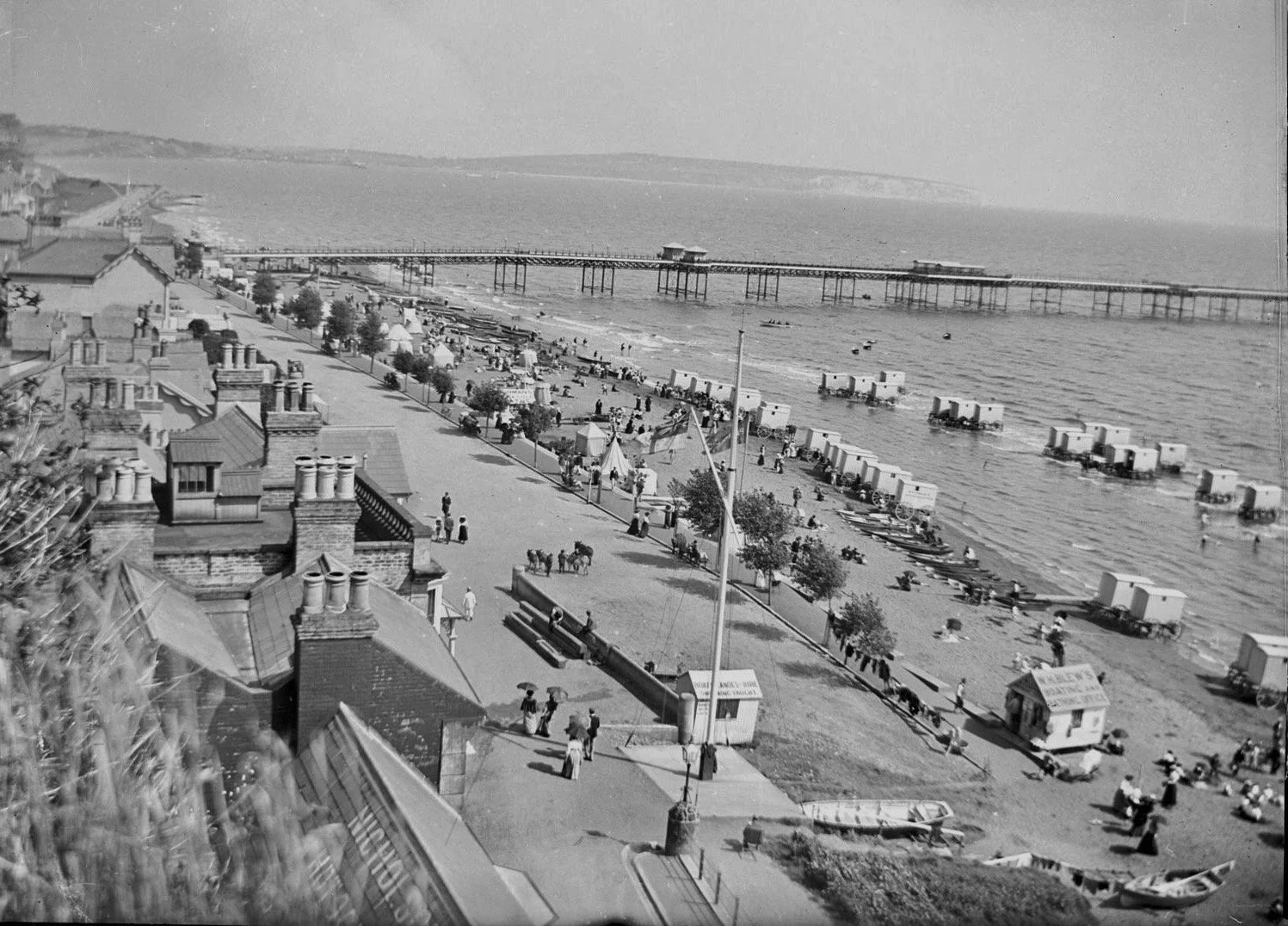
Dore was capturing Victorian developments in Shanklin too, where the Bay’s southern resort got its pier in 1890.
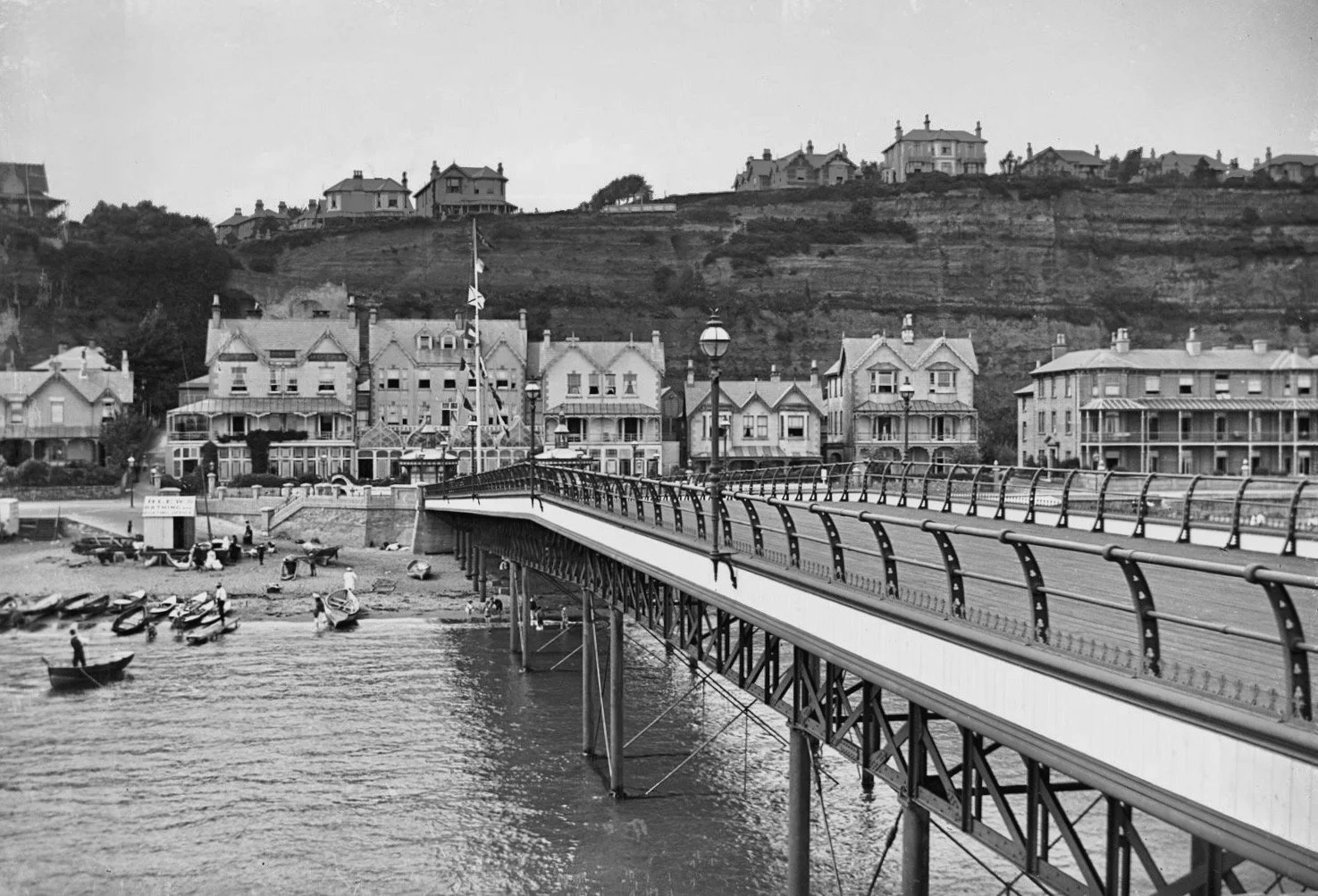
Shanklin's Royal Spa Hotel, an image taken by Dore from a spur of the town's new pier.
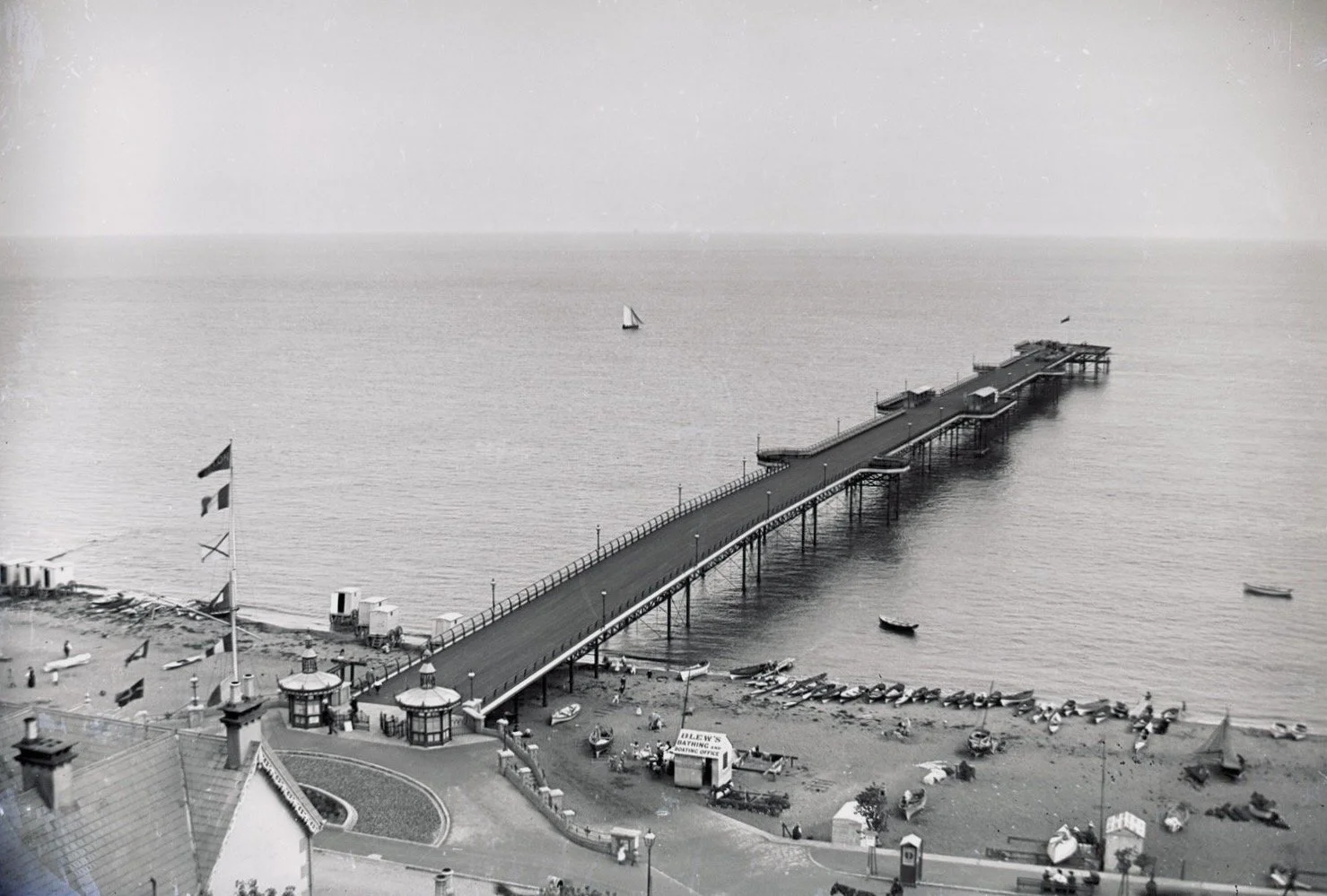
Shanklin’s new pier from the clifftop.
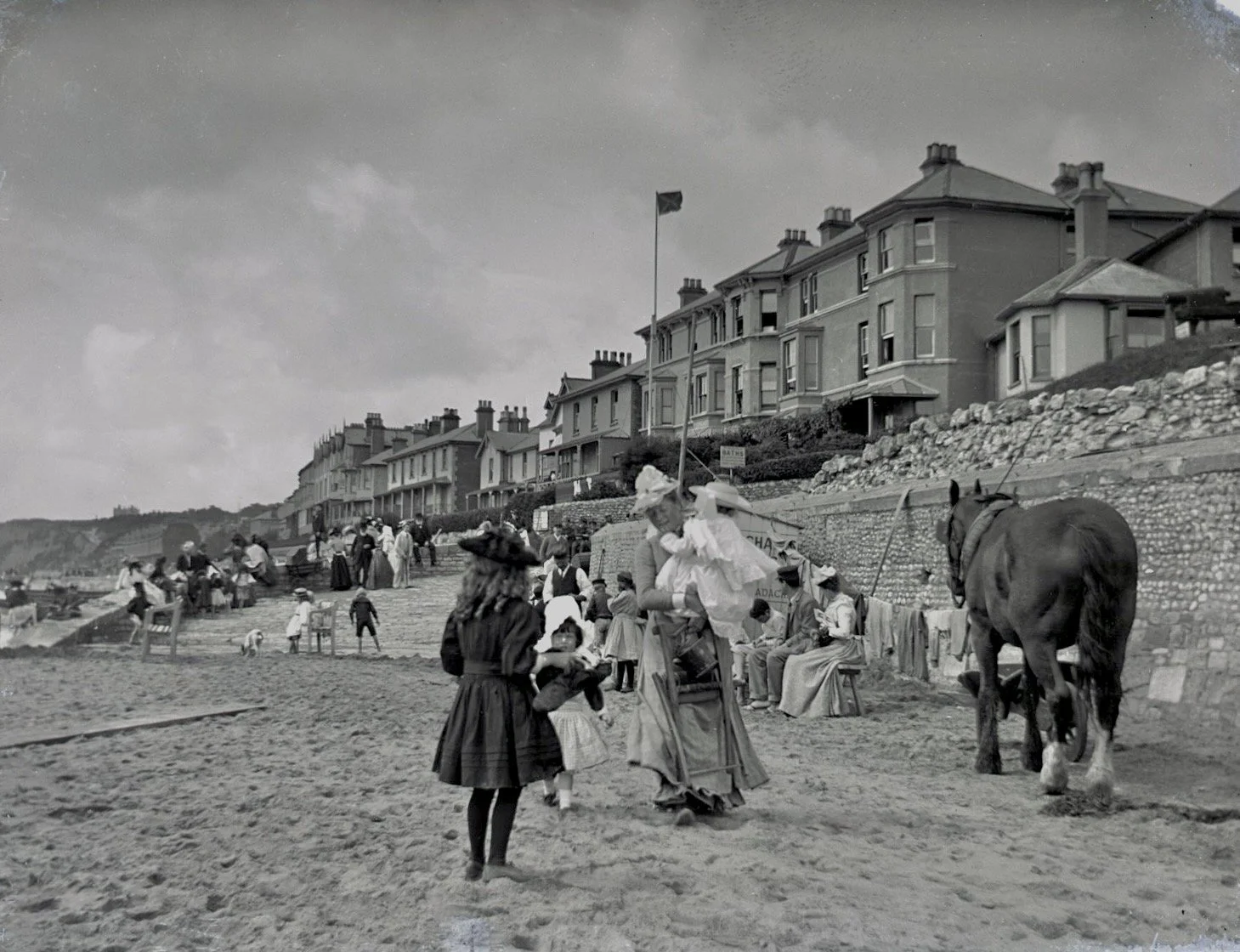
A Sandown beach scene near ‘Boyce's Slip’, later Avenue Road Slipway next to Eastern Gardens.
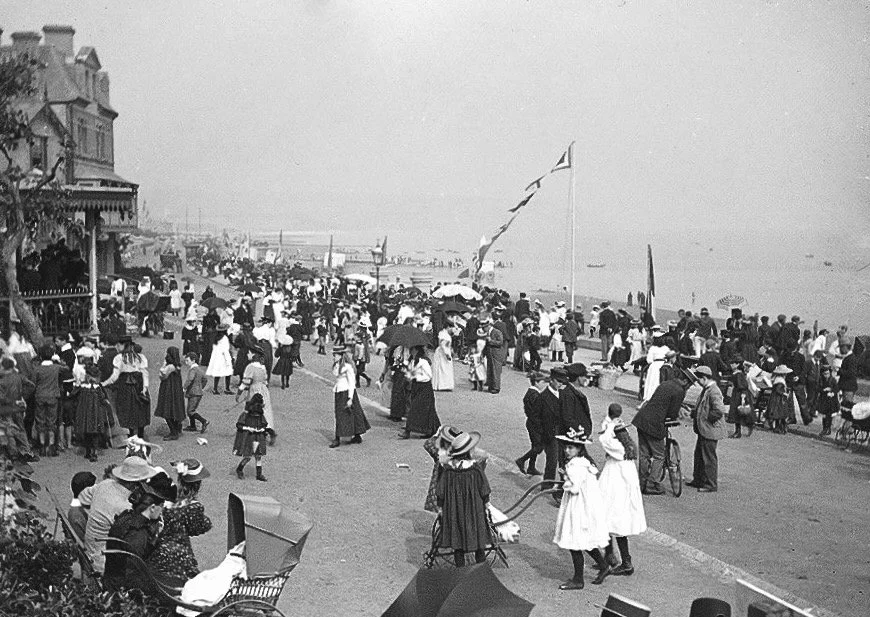
A glimpse of Sandown's Pier Street bandstand on the left, part of a busy scene on the Esplanade.
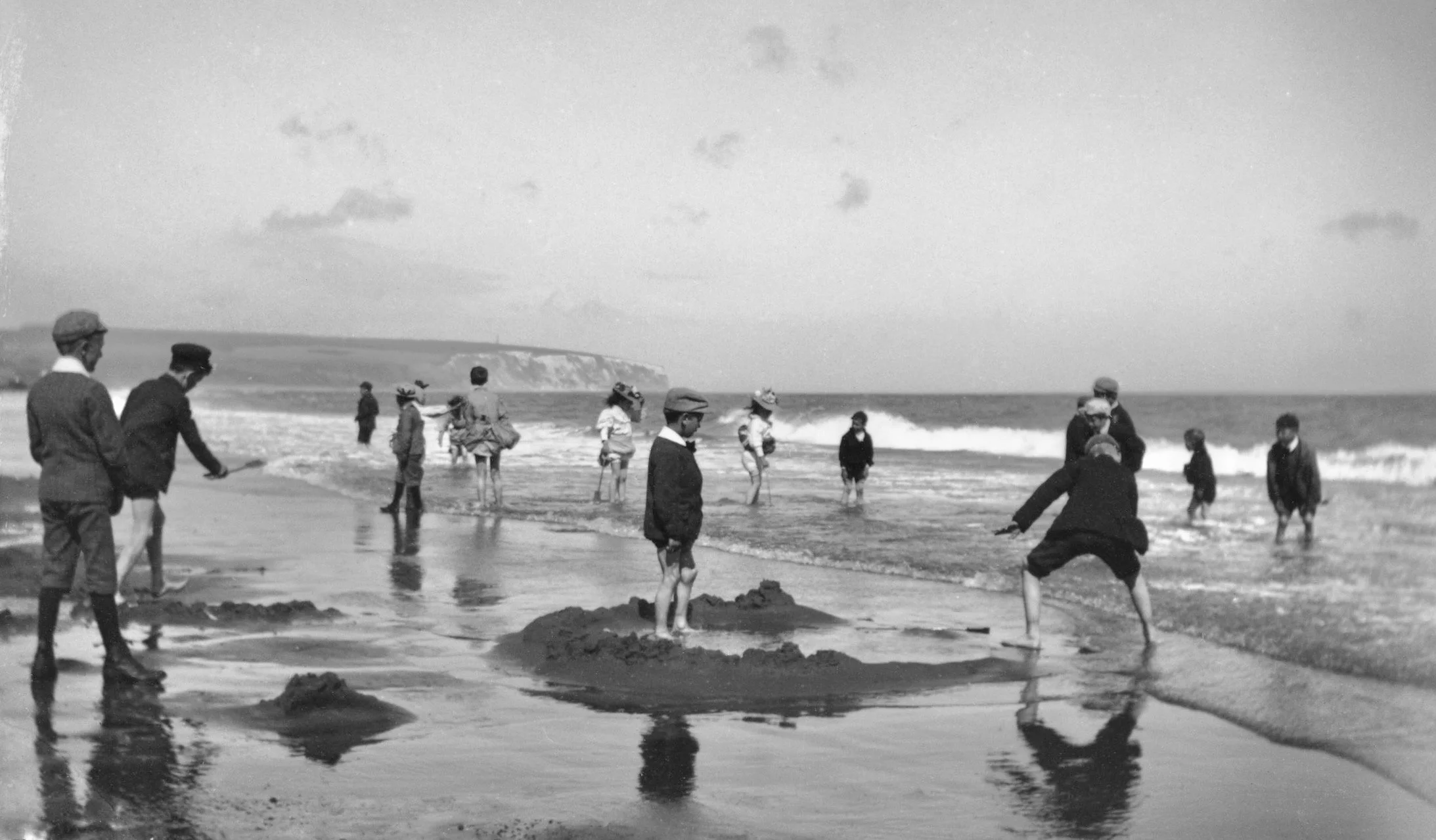
The Bay has always been the perfect place for building sandcastles.
5 GUNS AND HORSES
Many of Dore’s photographs recorded military life at a time when the Bay area’s forts and barracks still housed weapons and horsepower of the Victorian era.
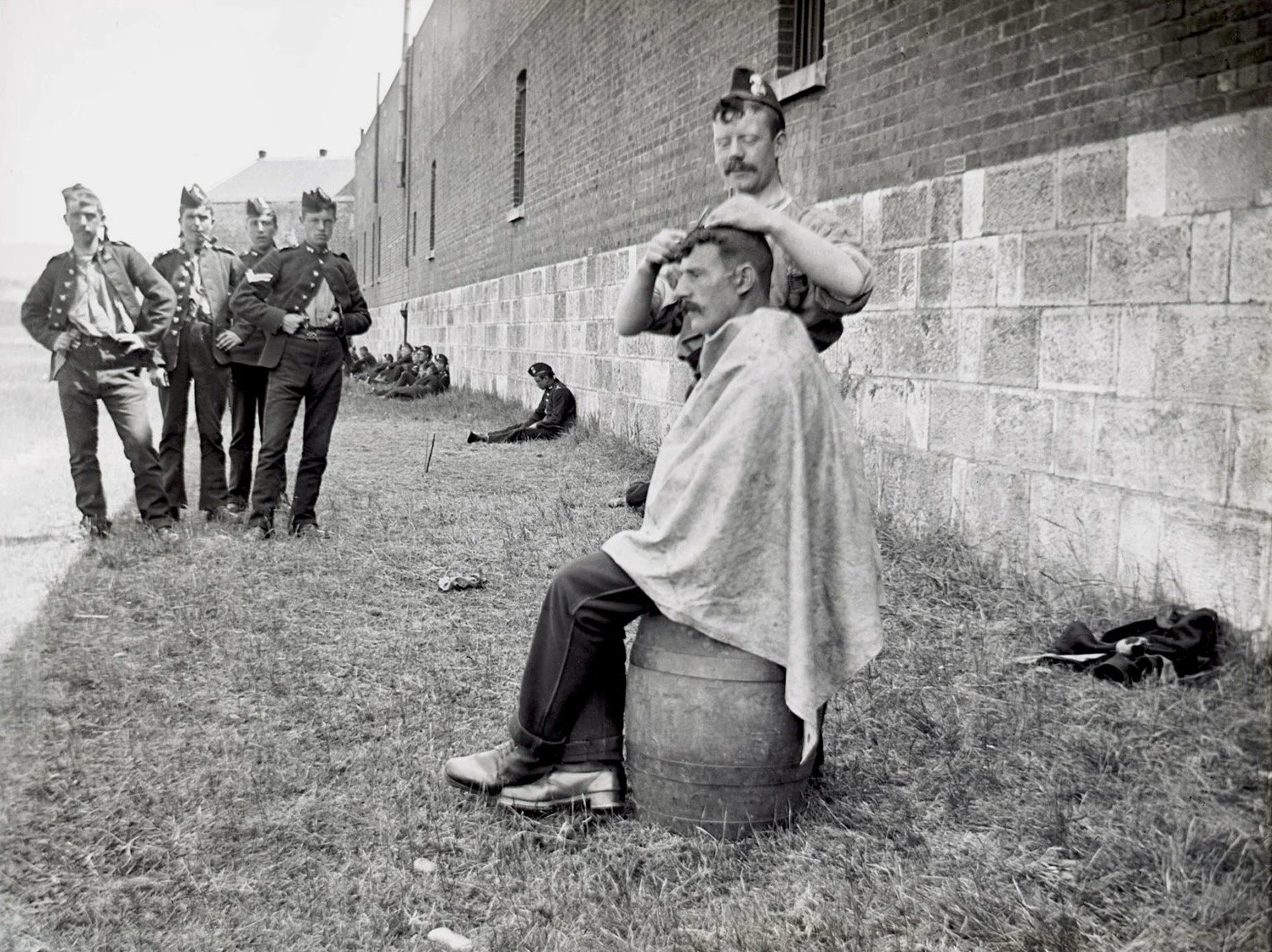
Downtime at Sandown's Granite Fort, now largely demolished and the home of The Wildheart Trust.
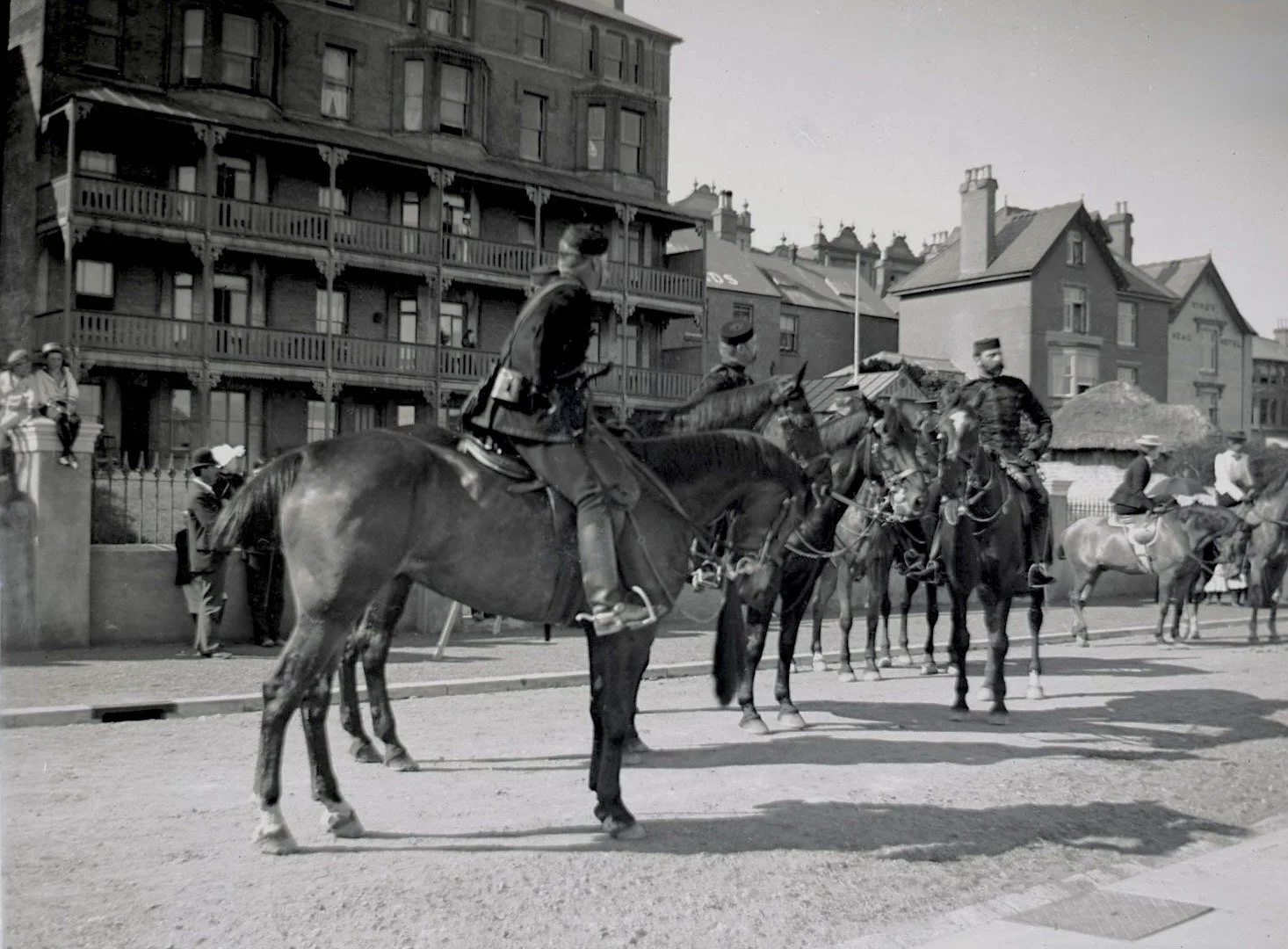
Prince Henry of Battenberg (1858-1896), on horseback to the right, looks out from Sandown’s new Esplanade near the King’s Head Hotel. Husband of Queen Victoria’s youngest child Beatrice, Battenberg died after contracting malaria on an expedition to West Africa to fight in the Ashanti War.
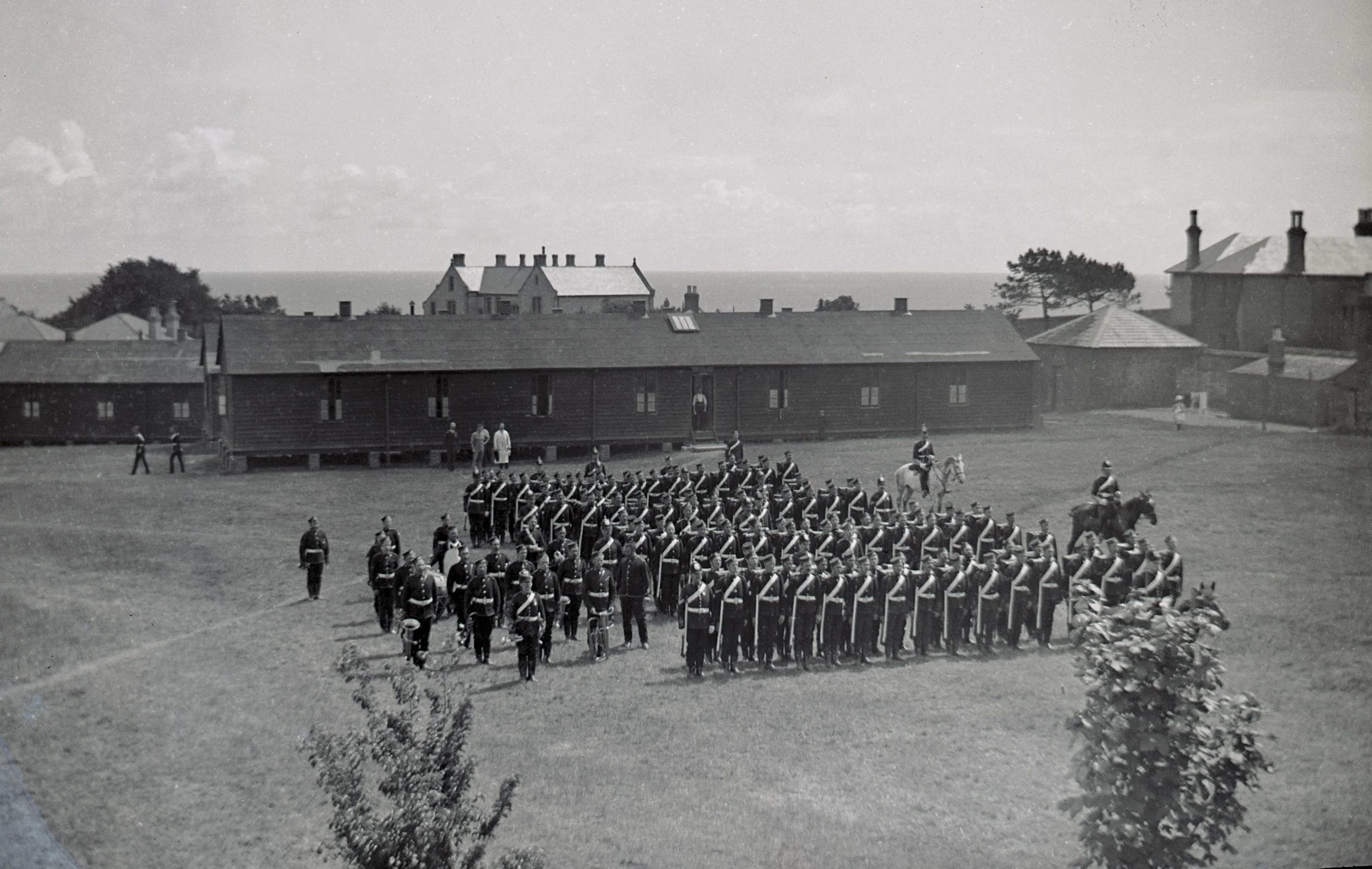
On parade at Sandown Barracks, now the site of The Heights leisure centre. The large house in the background is Bruntsfield, the clifftop residence built in 1875 for Samuel Palmer of the Huntley and Palmer biscuit family.
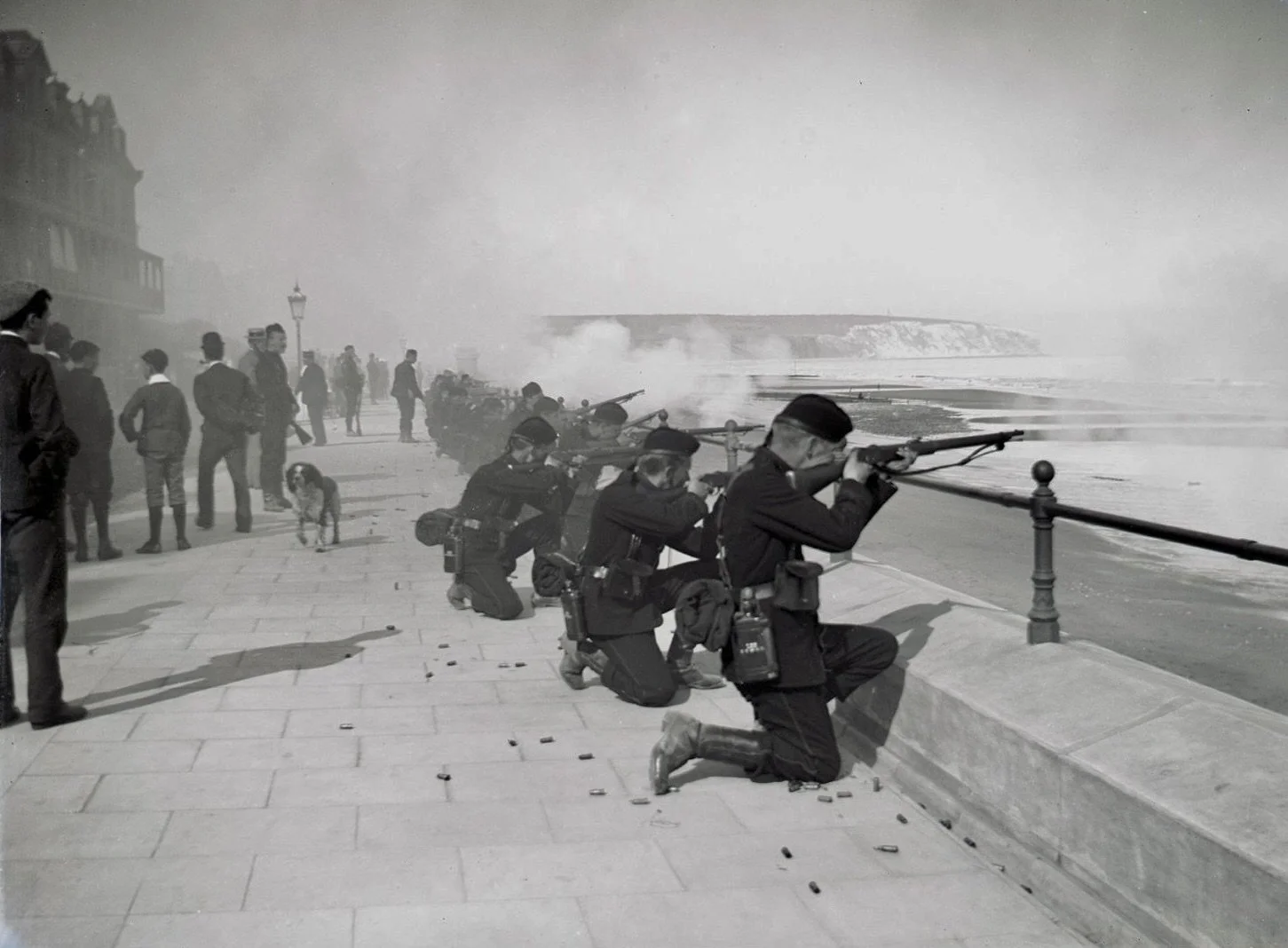
Shooting practice for volunteers of the Isle of Wight Rifles on Sandown Esplanade.
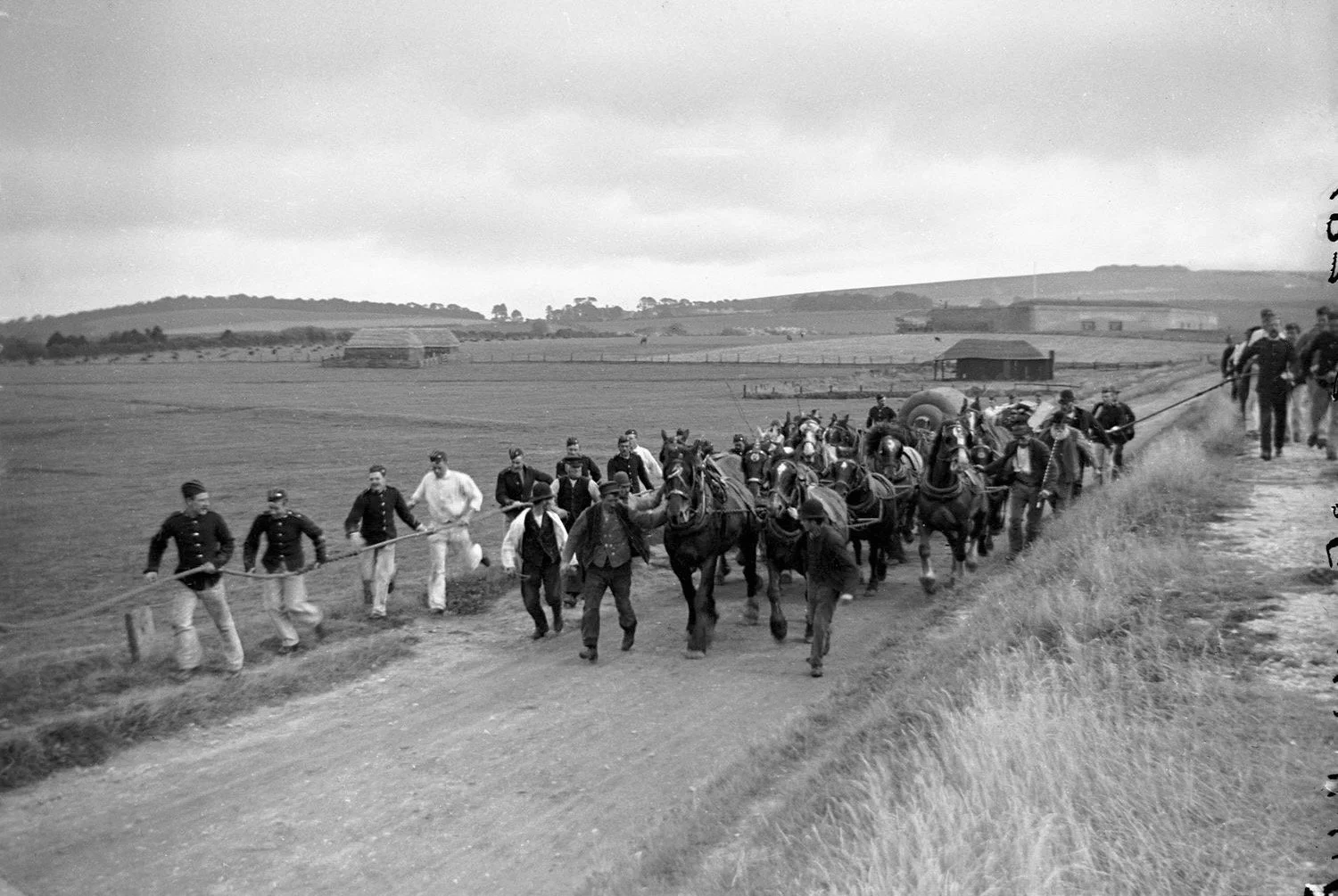
On Tuesday 30 September 1890, Dore took a sequence of photographs which recorded the Royal Artillery moving one of the 18-ton guns from the Granite Fort at Yaverland to Sandown Barrack Battery at the top of Lake Hill. His first image shows the gun being hauled past fields that would become Brown’s Golf Course and the Canoe Lake four decades later.
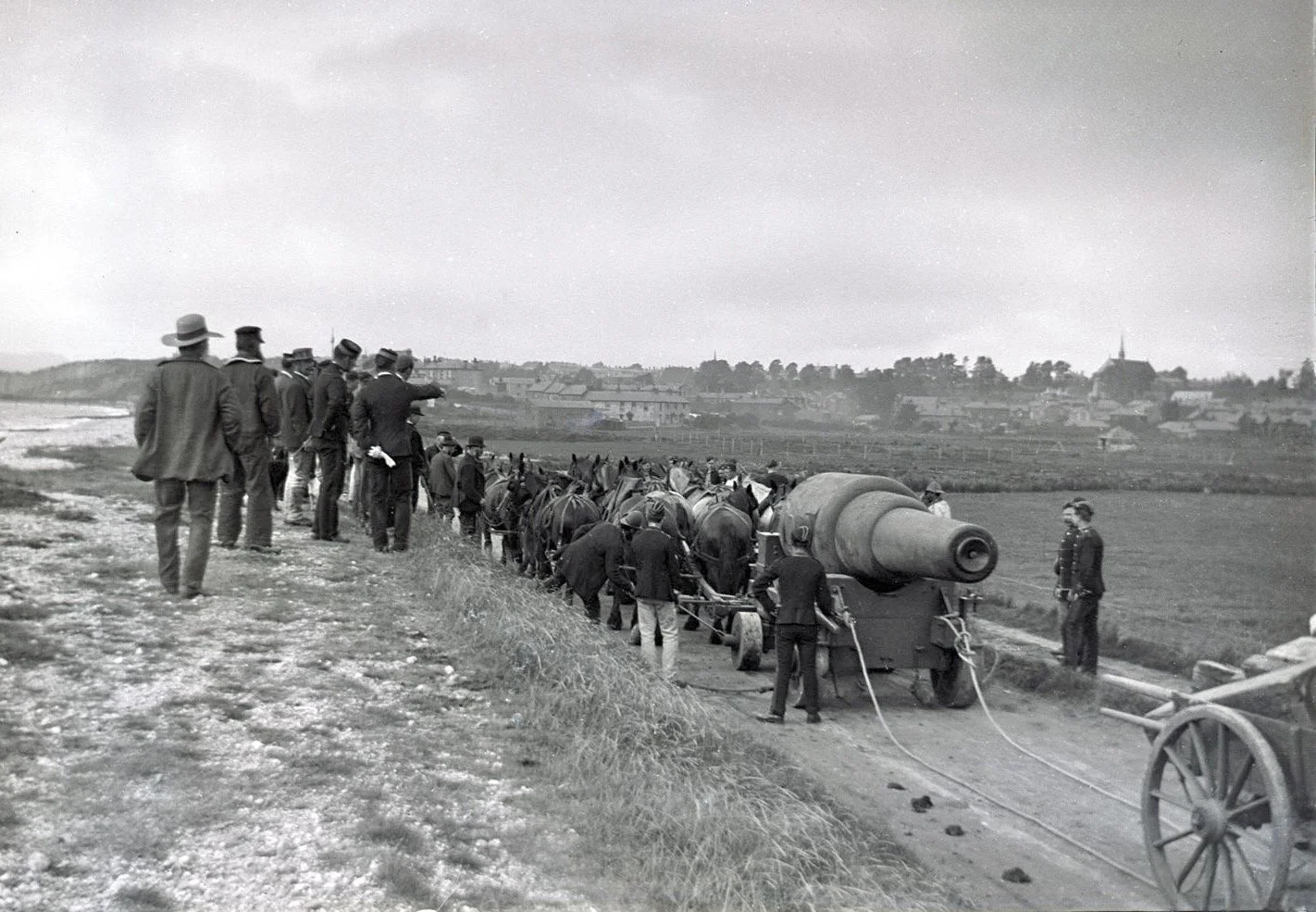
A short distance later, the gun carriage - itself weighing 4 tons - came to a halt on the seaside track leading to the town and extra horses had to be brought in to get it moving again.
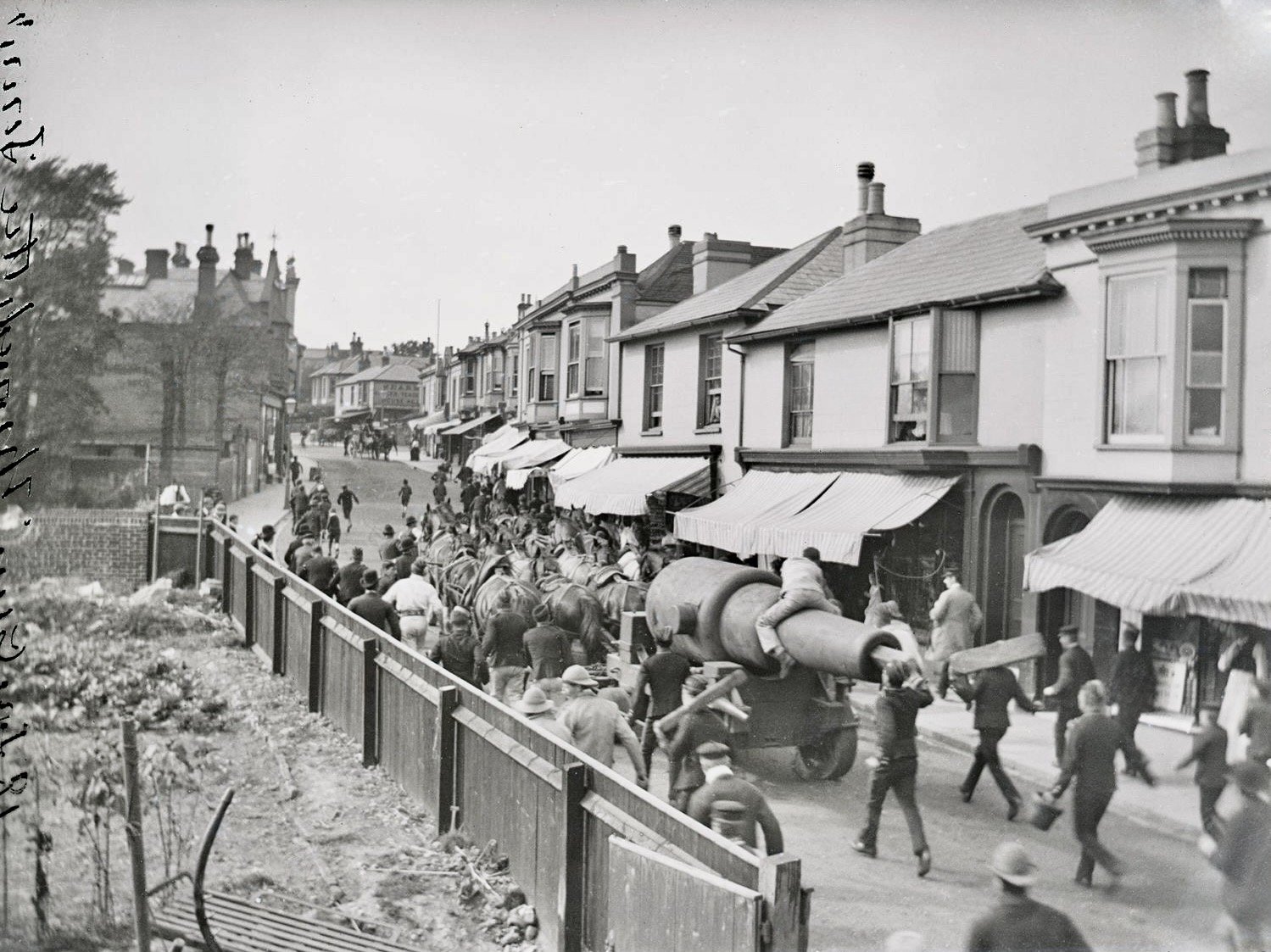
The delay gave Dore time to move his camera to a vantage point overlooking Sandown High Street to capture this third image of the gun being pulled through the town.
6 JAMES DORE AT WORK
Most images of Dore show him in his role as chief officer of Sandown Fire Brigade, and he also took a series of photos of the brigade at work.
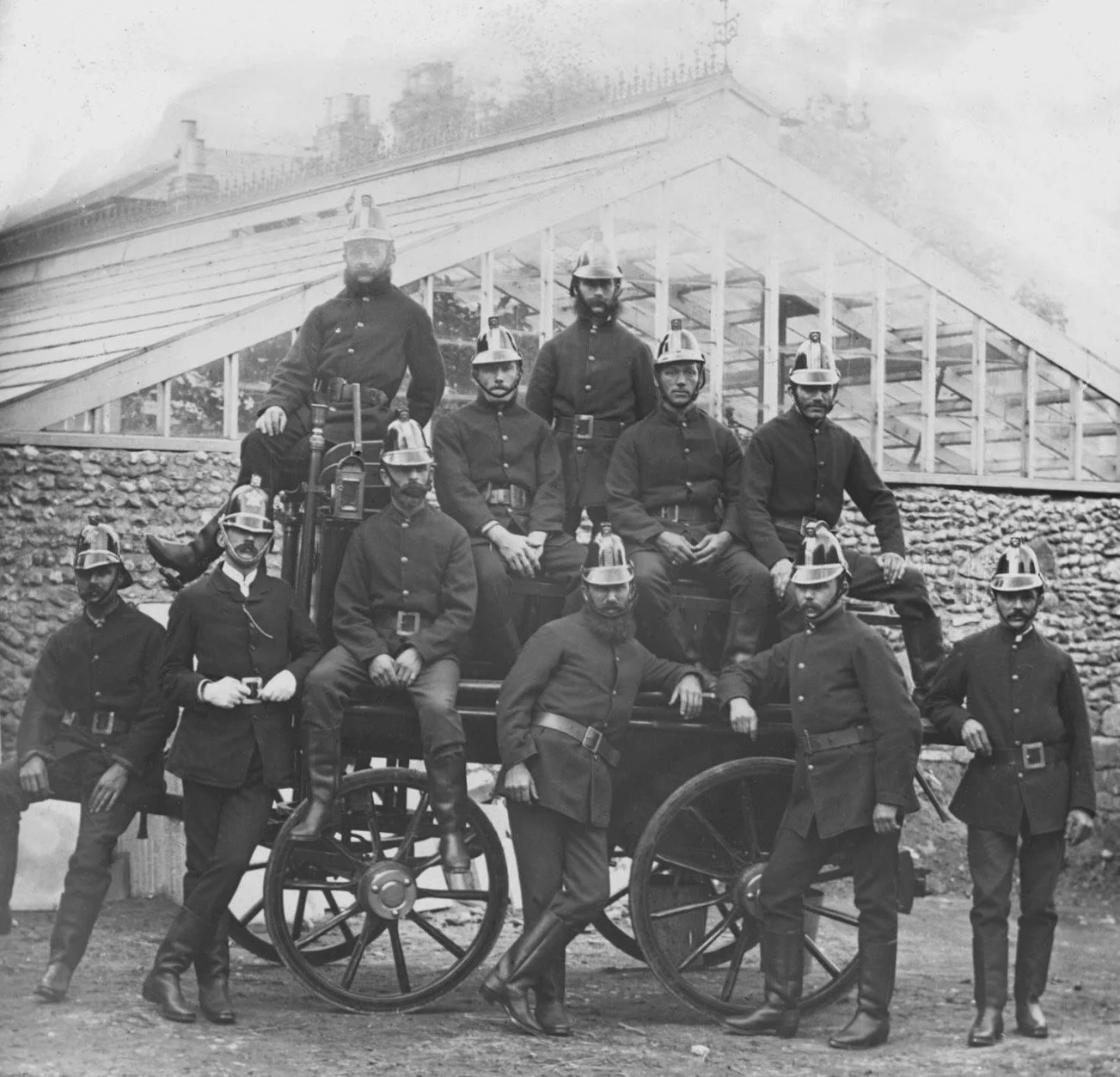
Standing second from left, Dore was one of the originals who formed Sandown’s fire brigade in 1879. He became the brigade’s captain at the age of 26 and served for 36 years. The photograph was taken next to Sandown Town Hall in Grafton Street, at a location later built on to extend the council’s premises.
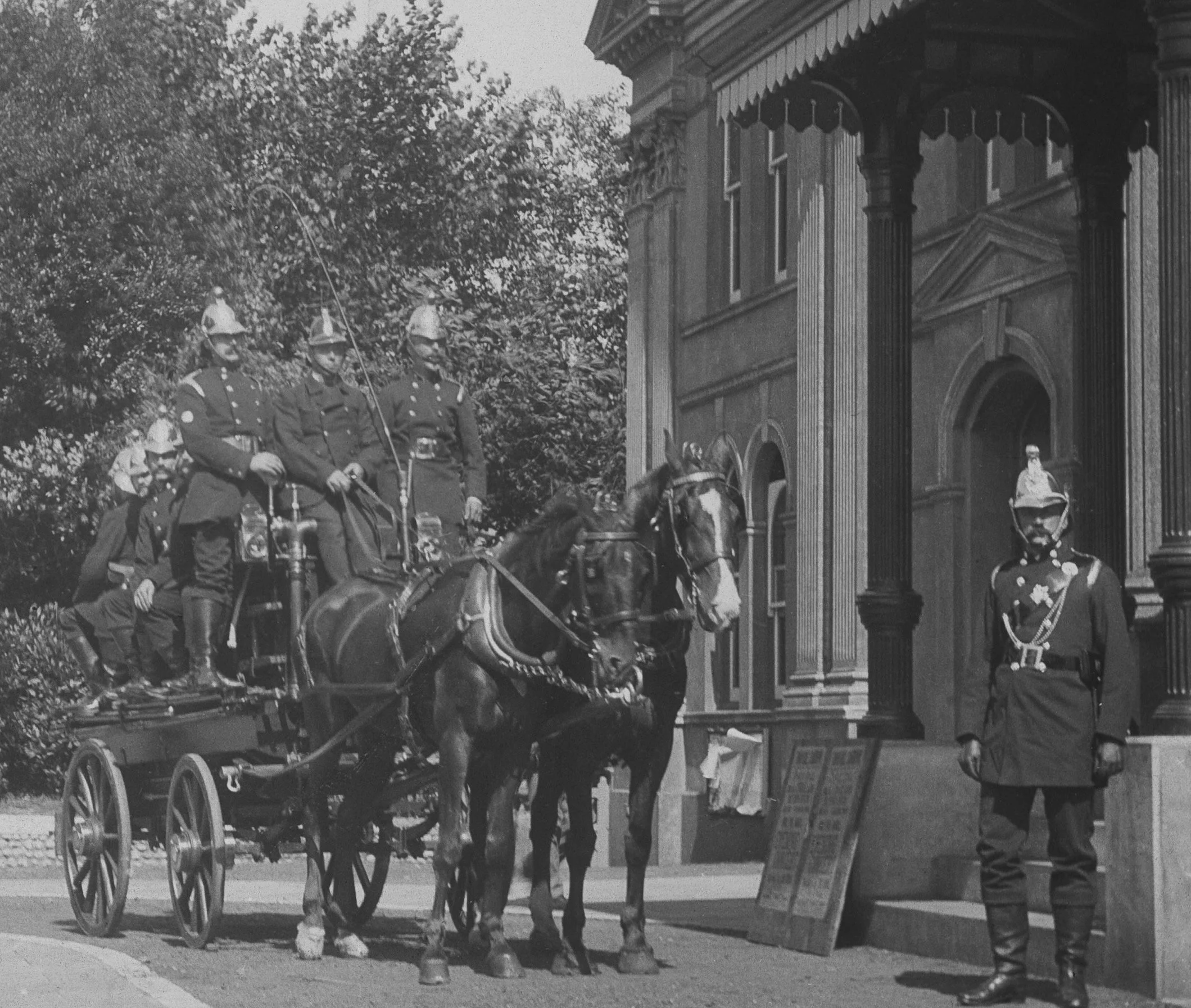
Dore and his men at the entrance to Sandown Town Hall where the fire station was located.
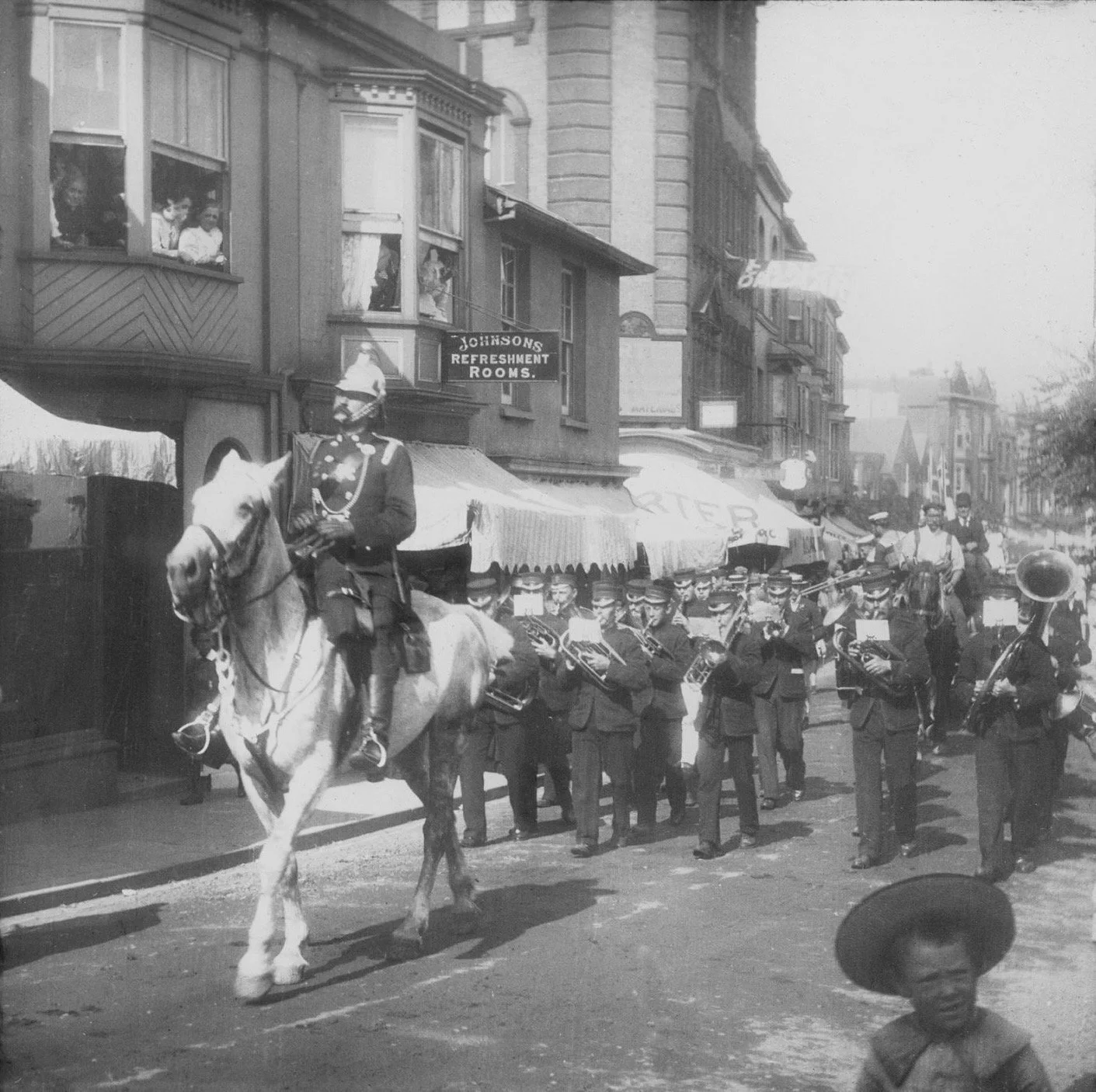
Dore on a white charger leads a procession up Sandown High Street for the coronation of King George V on 22 June 1911.
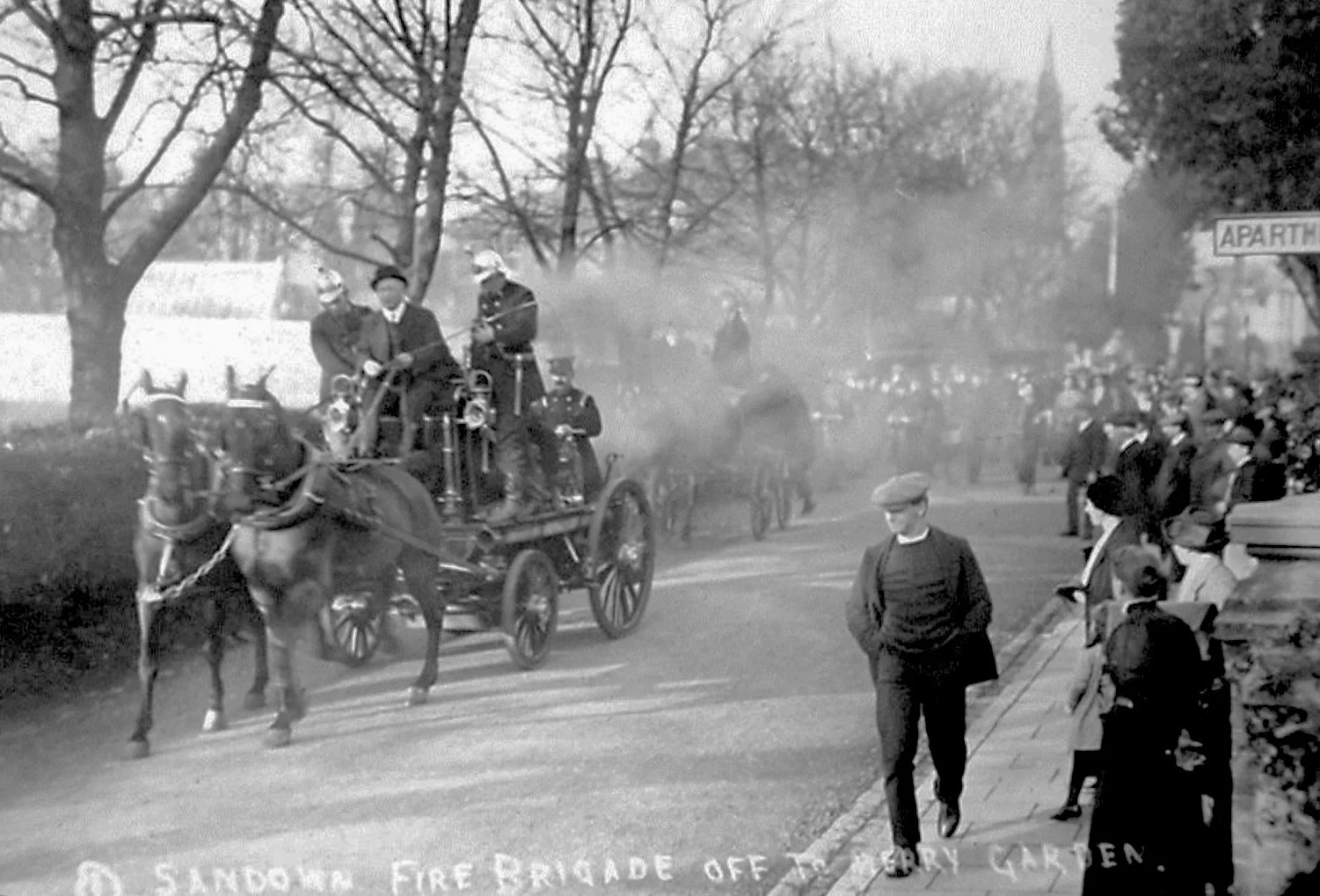
Dore was determined that Sandown's brigade would be first on the Island to acquire a steam-powered fire pump in 1907. The horse-drawn apparatus is seen here setting off along Grafton Street from the town's fire station.
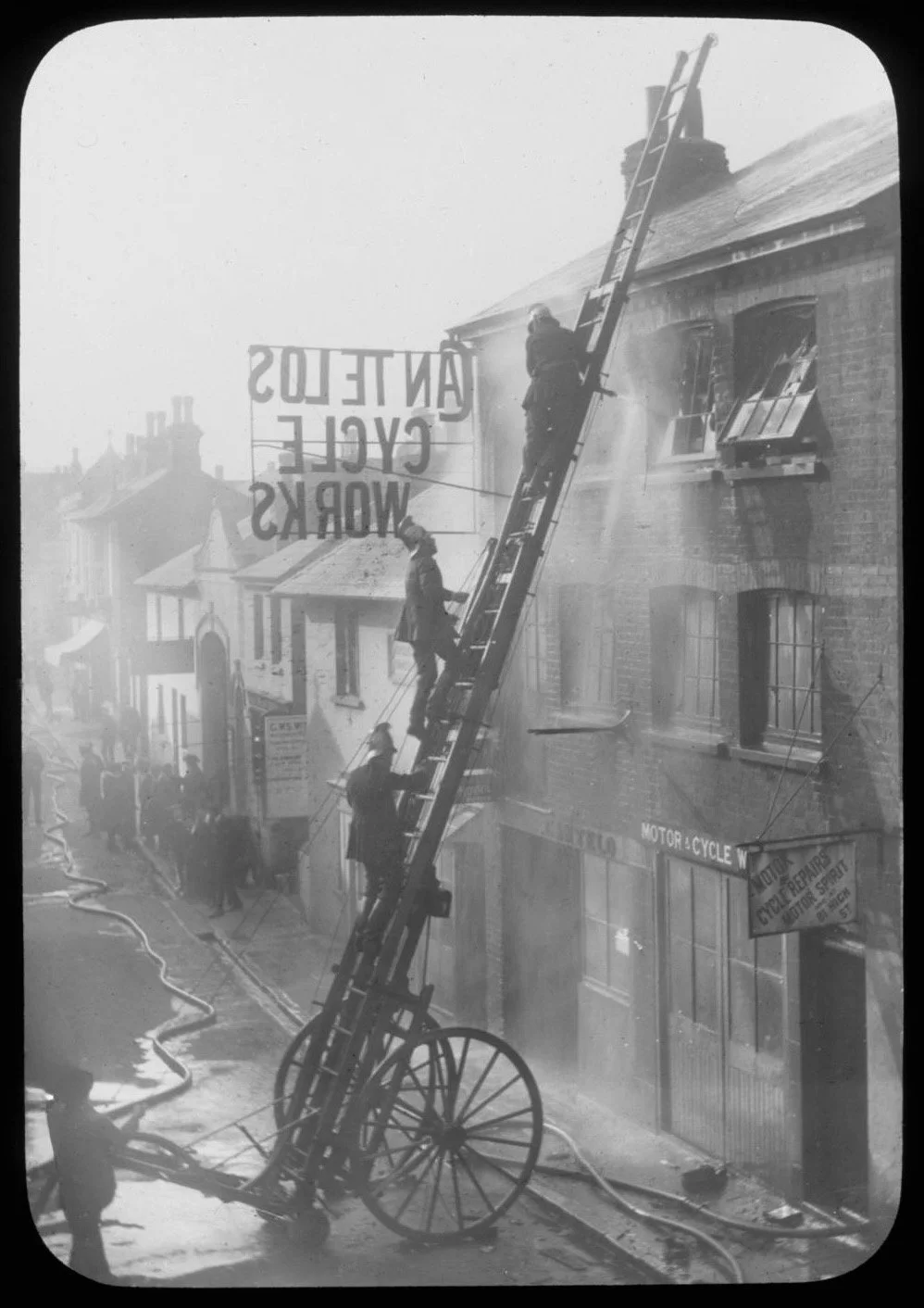
One of Dore's photographs of the brigade tackling a fire at Cantelo's Cycle Works in St John's Road, Sandown.
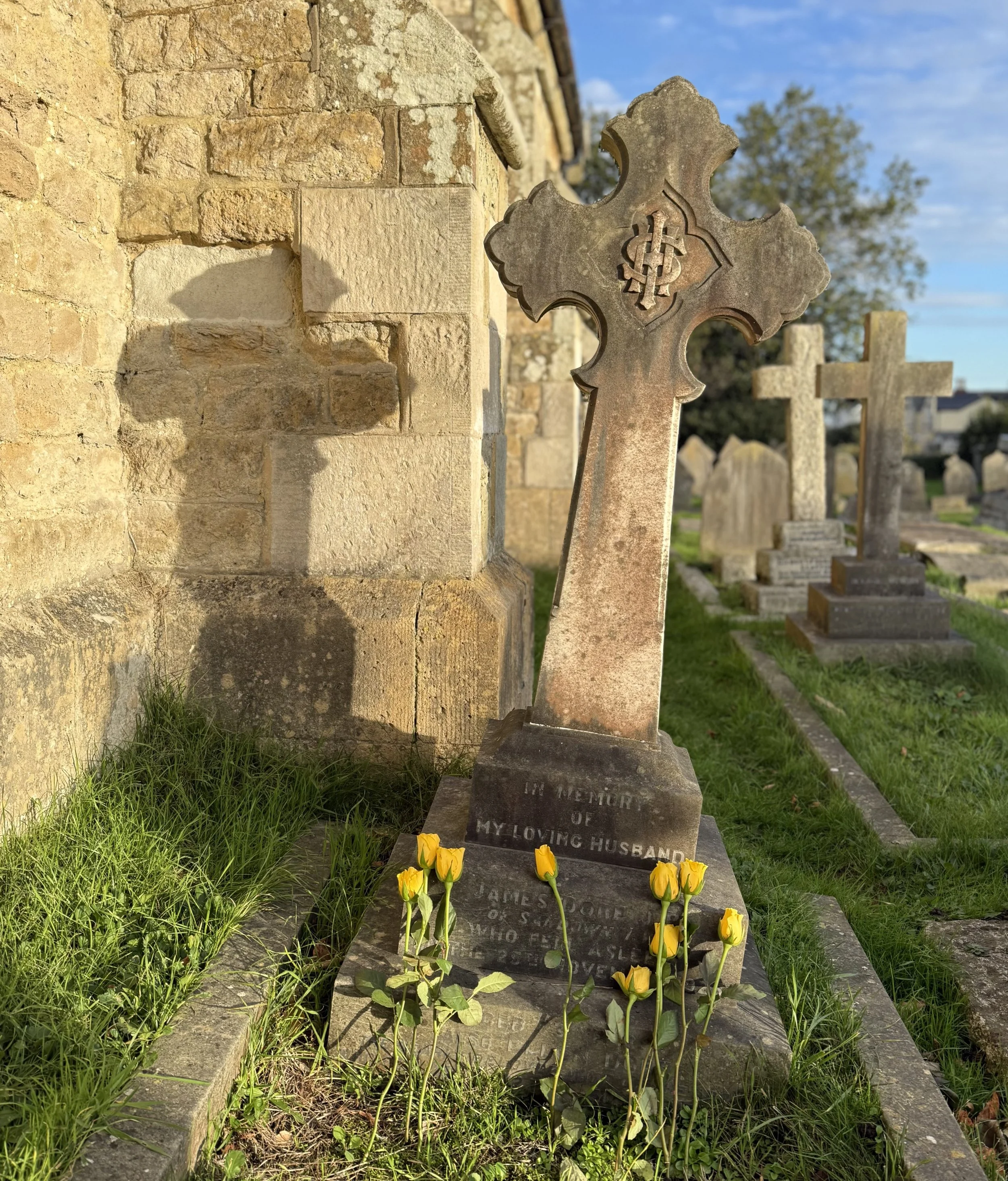
Flowers placed at James Dore’s grave on 25 November 2025, the centenary of his death.